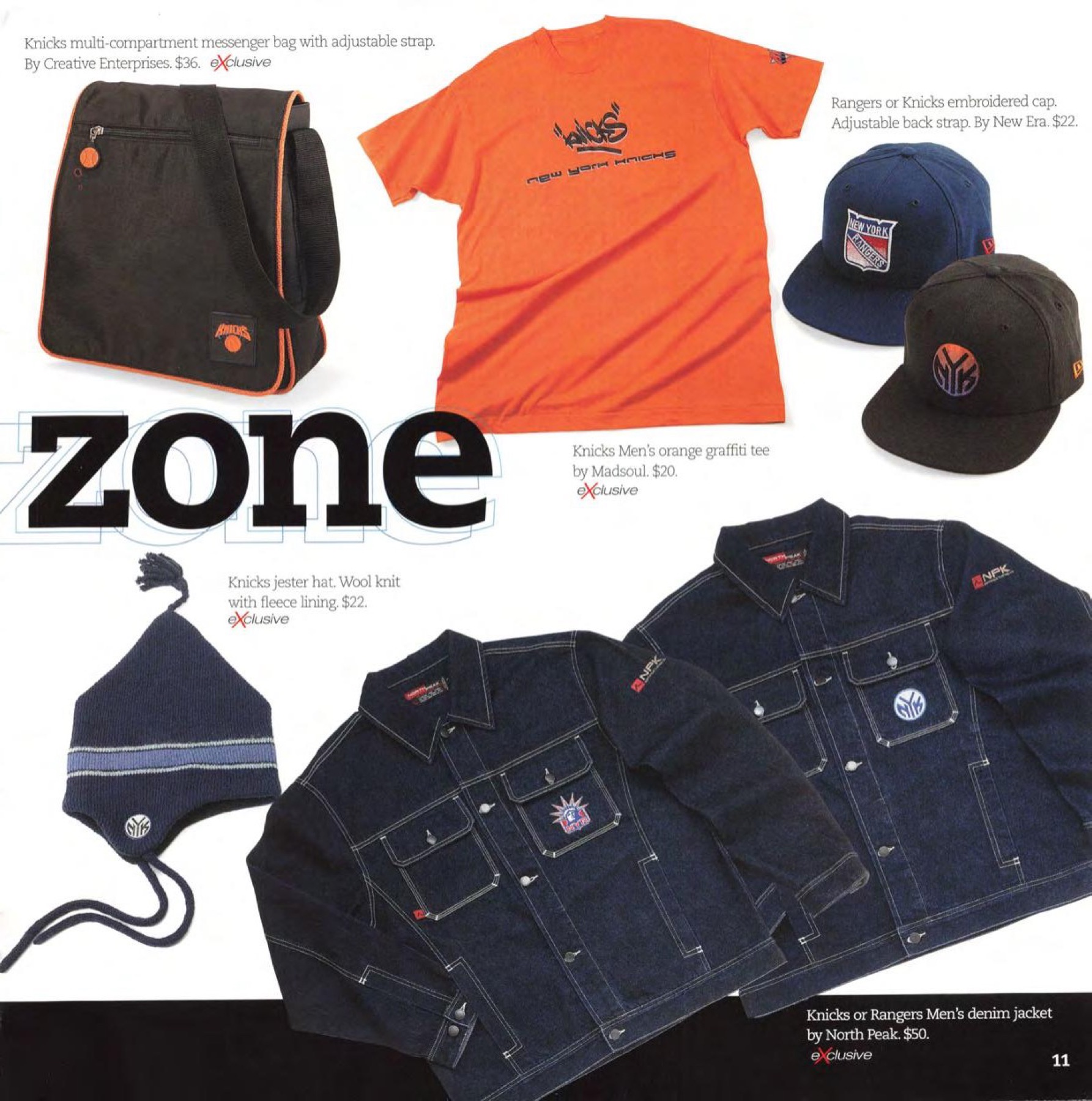
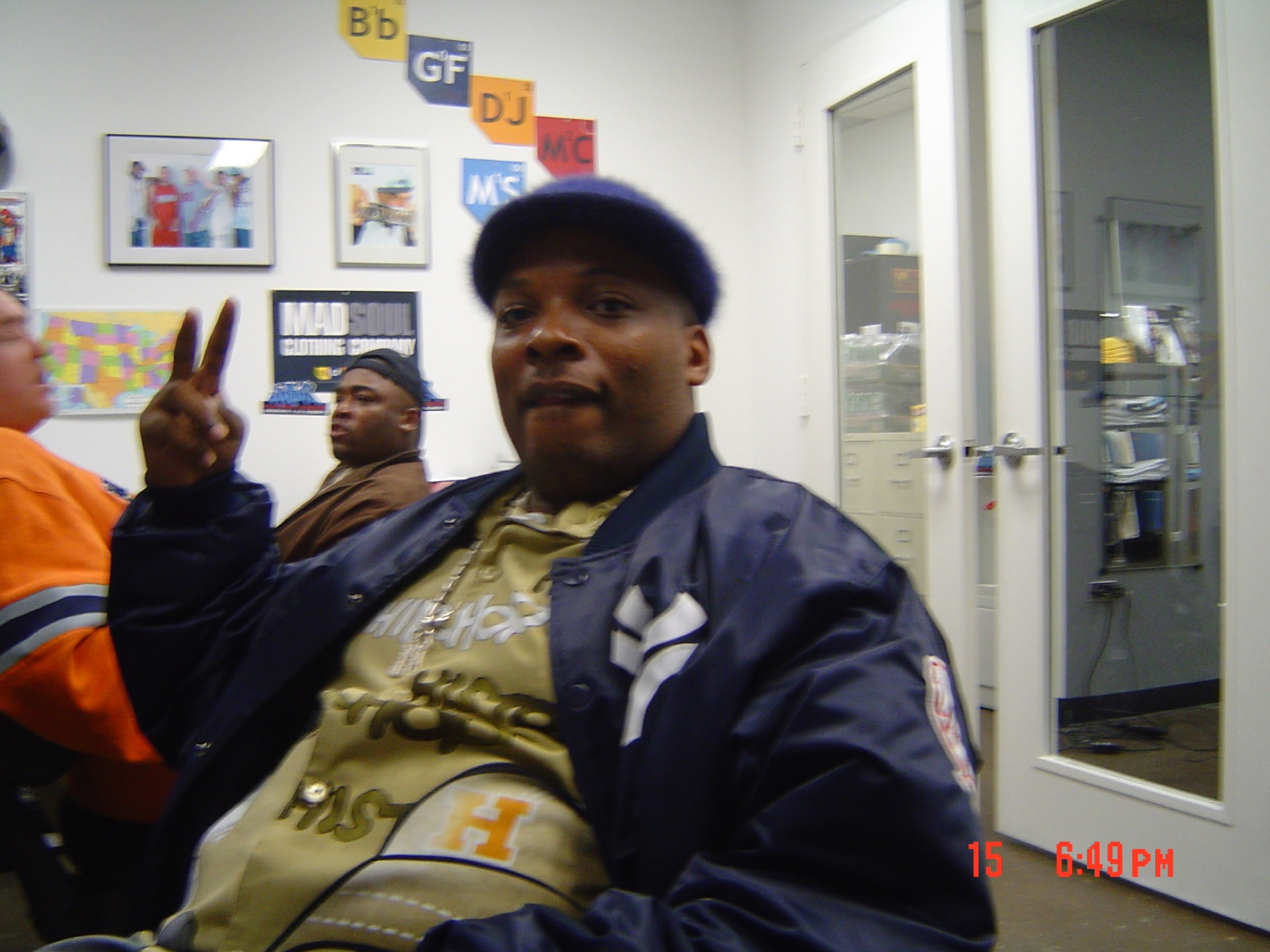
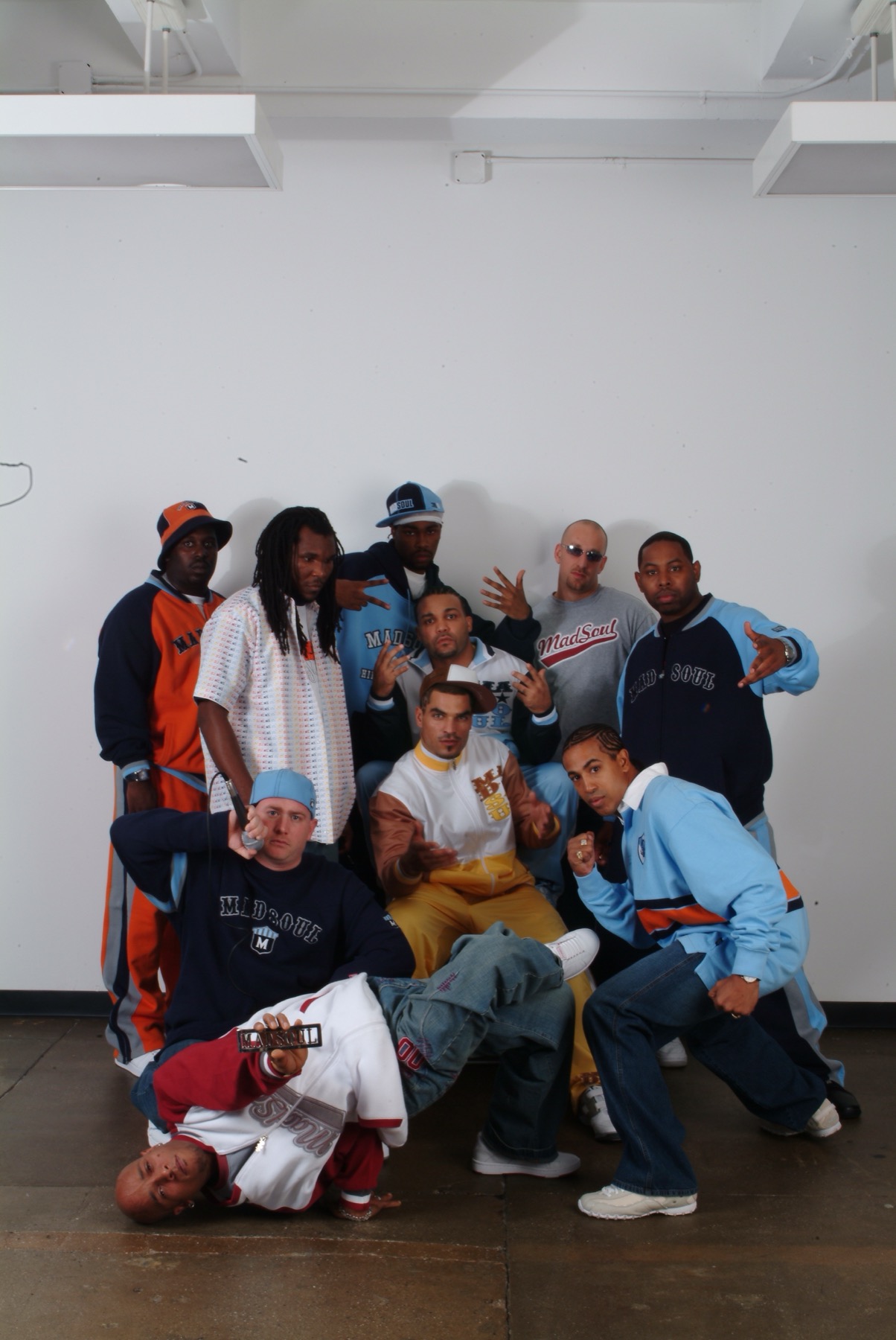
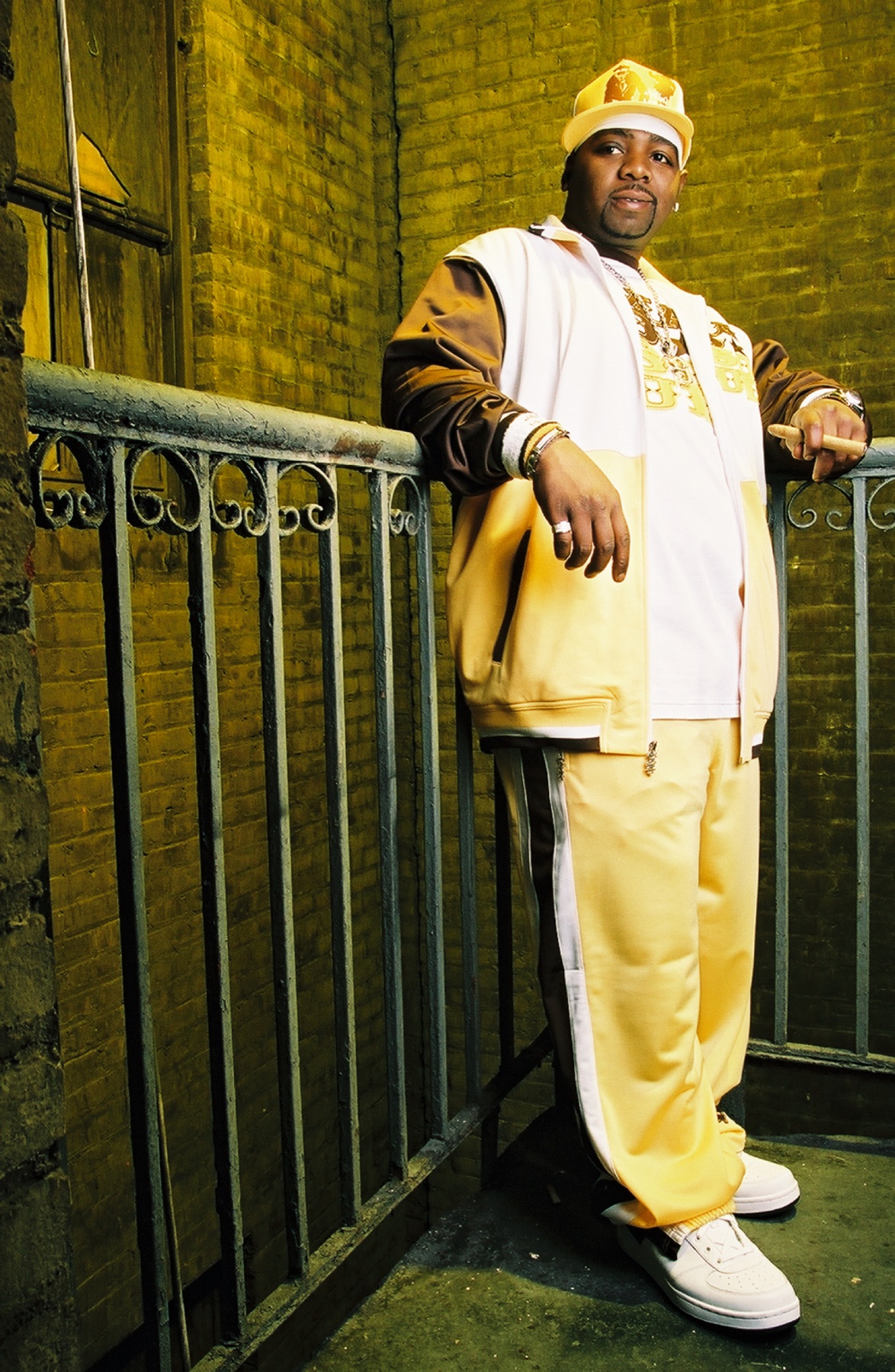
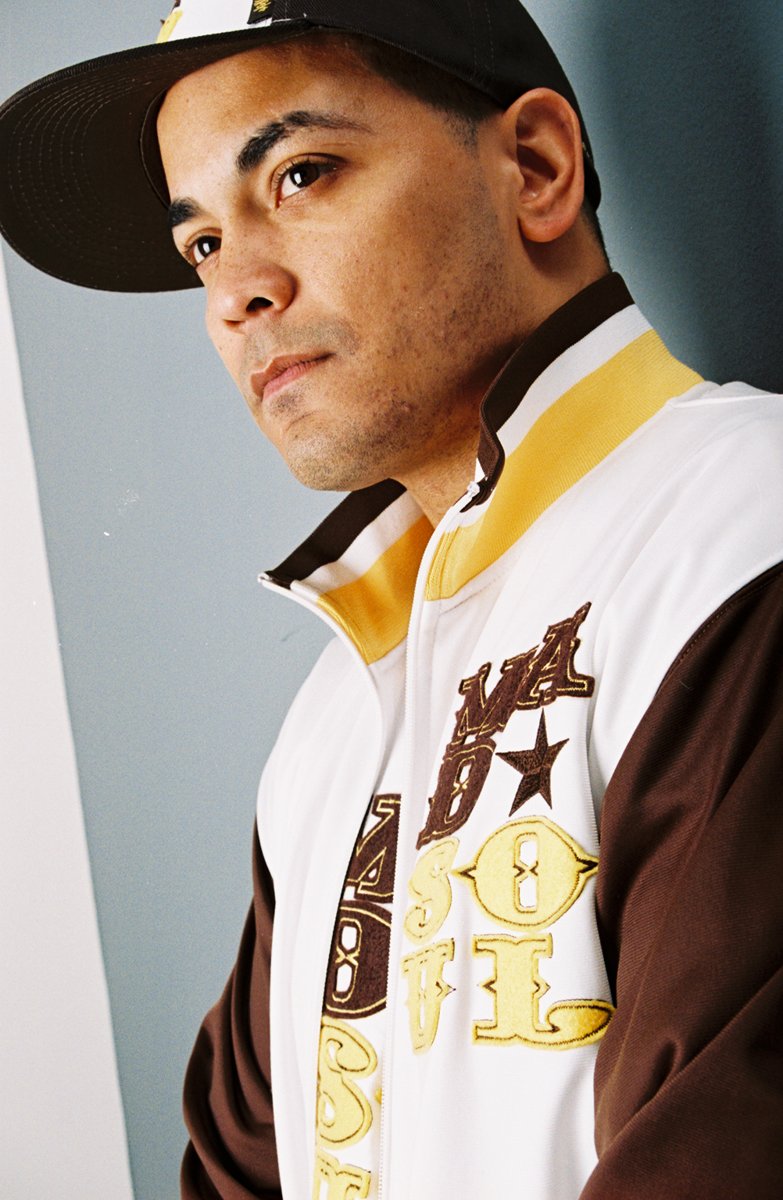
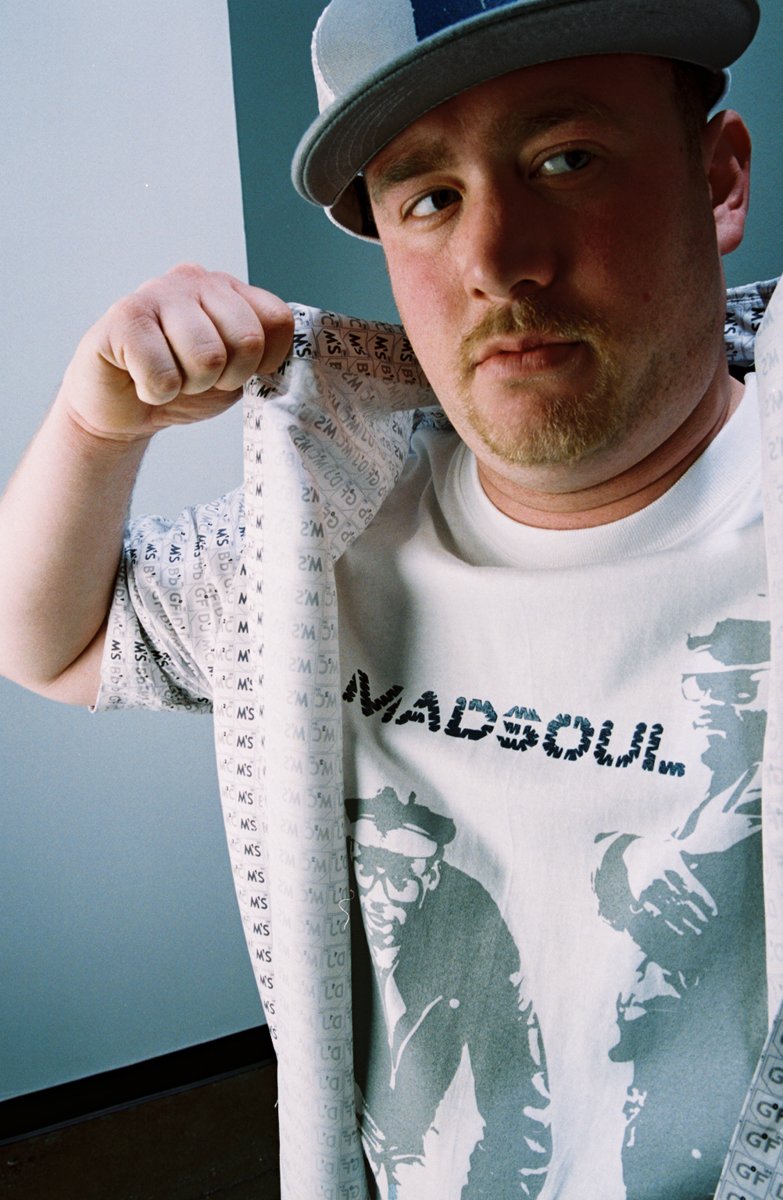
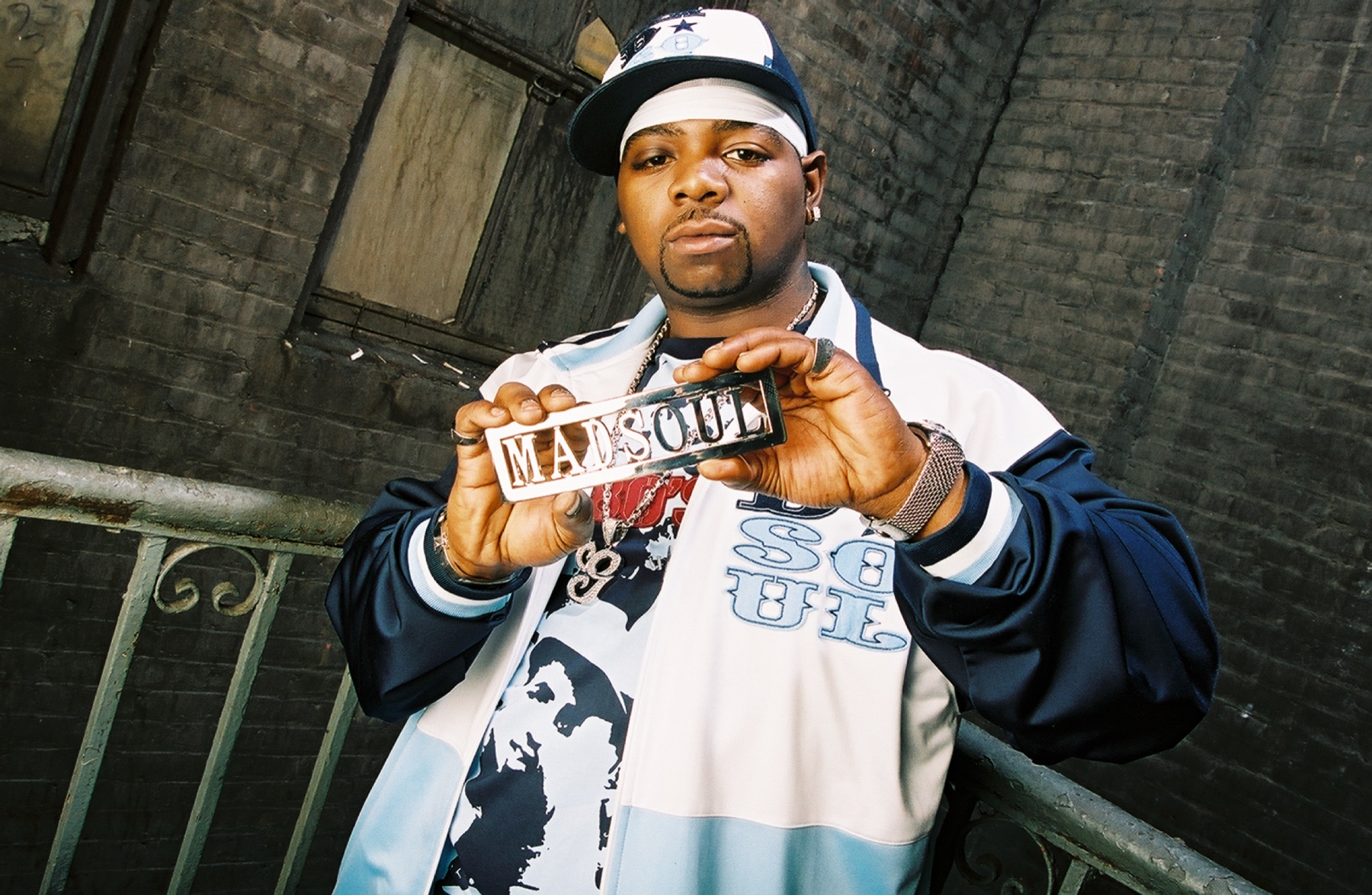
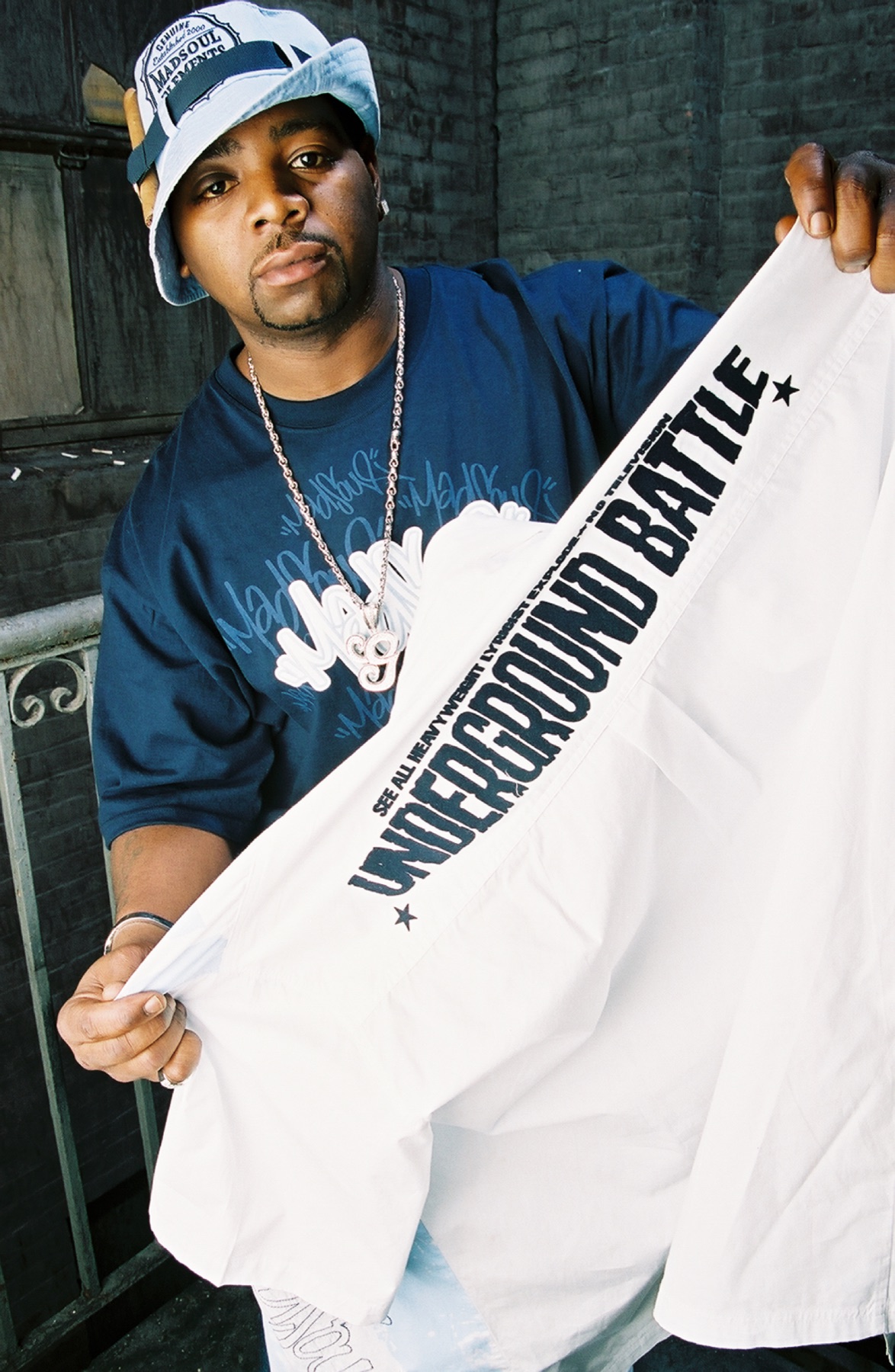
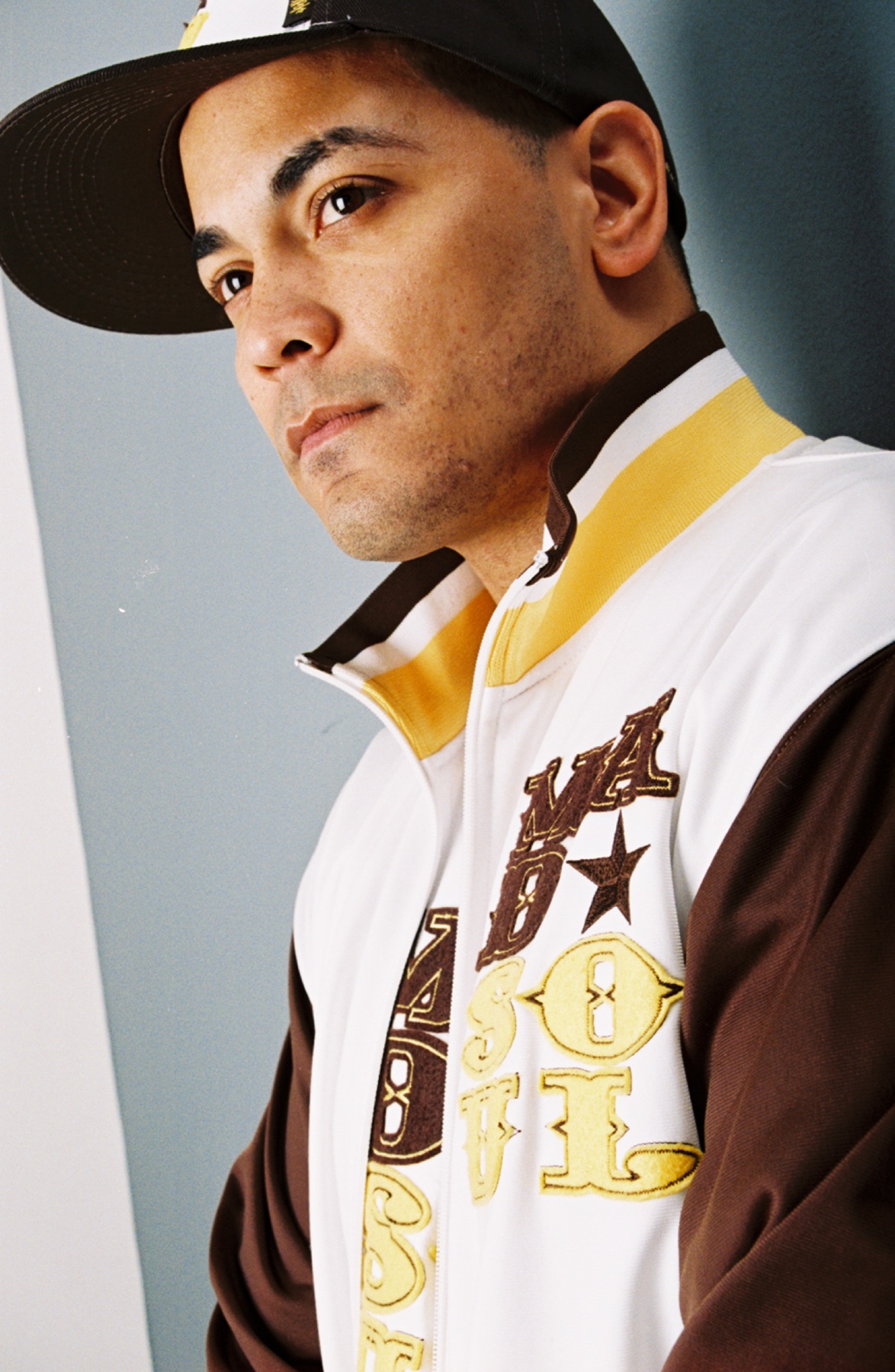
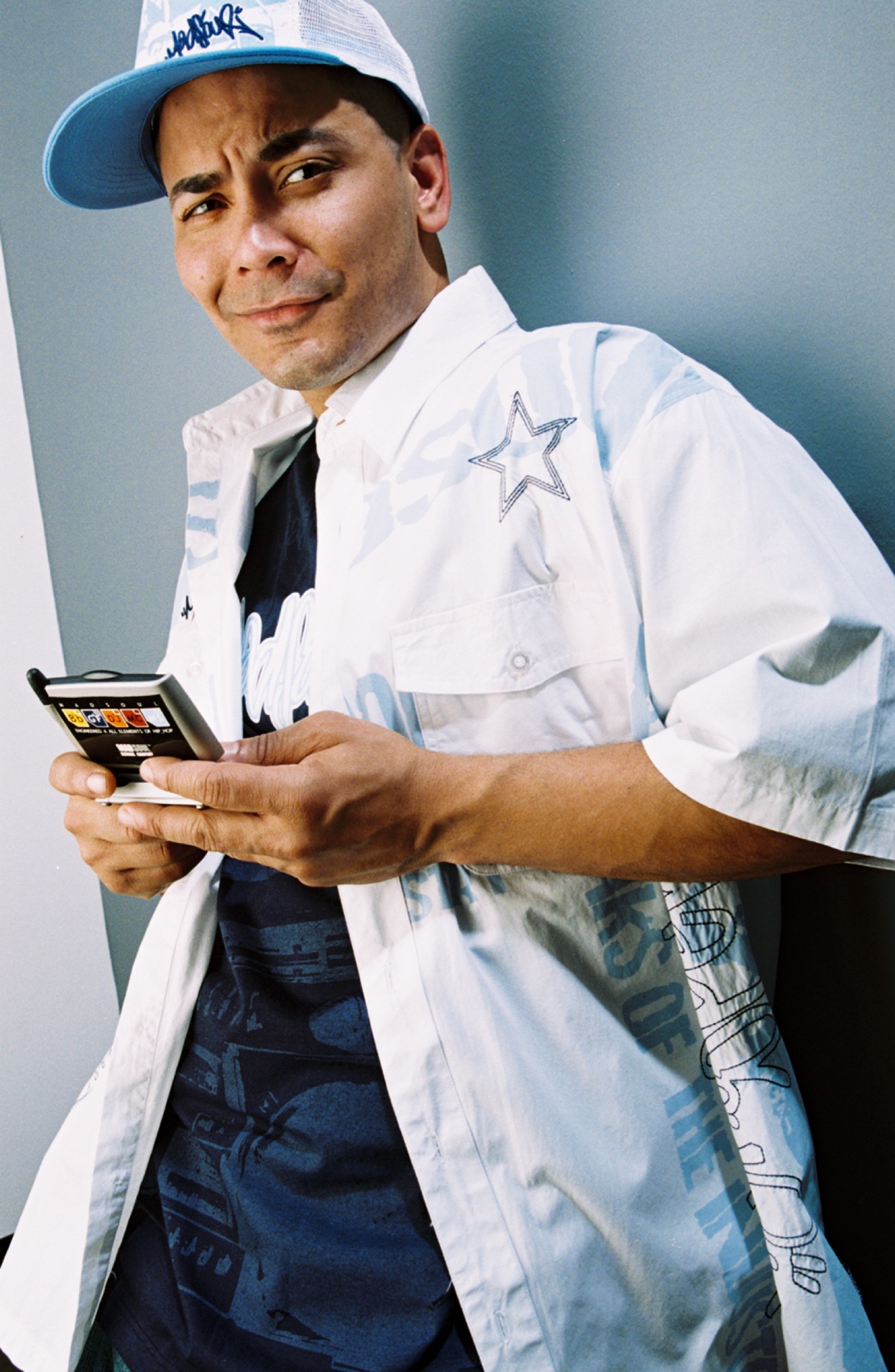
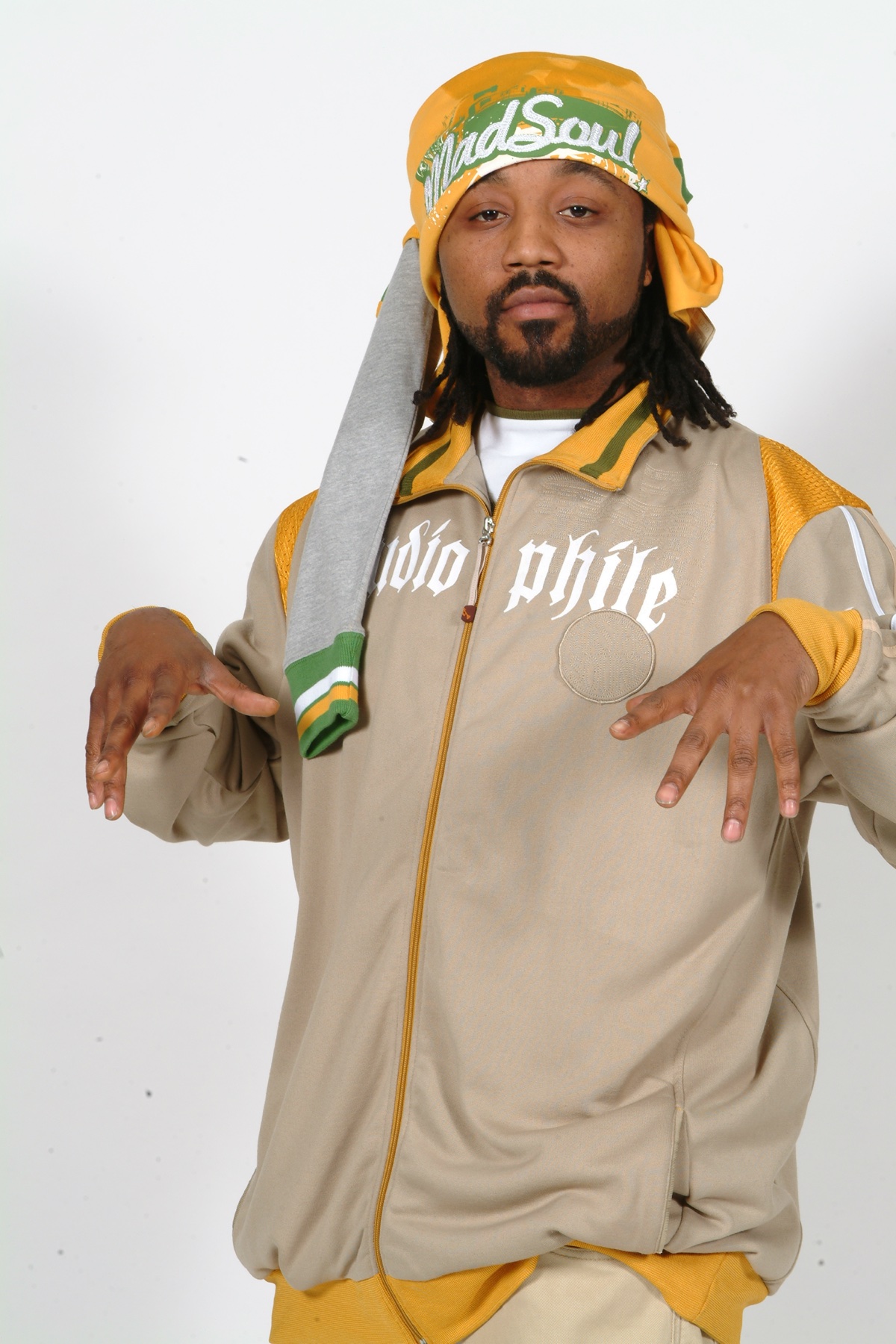
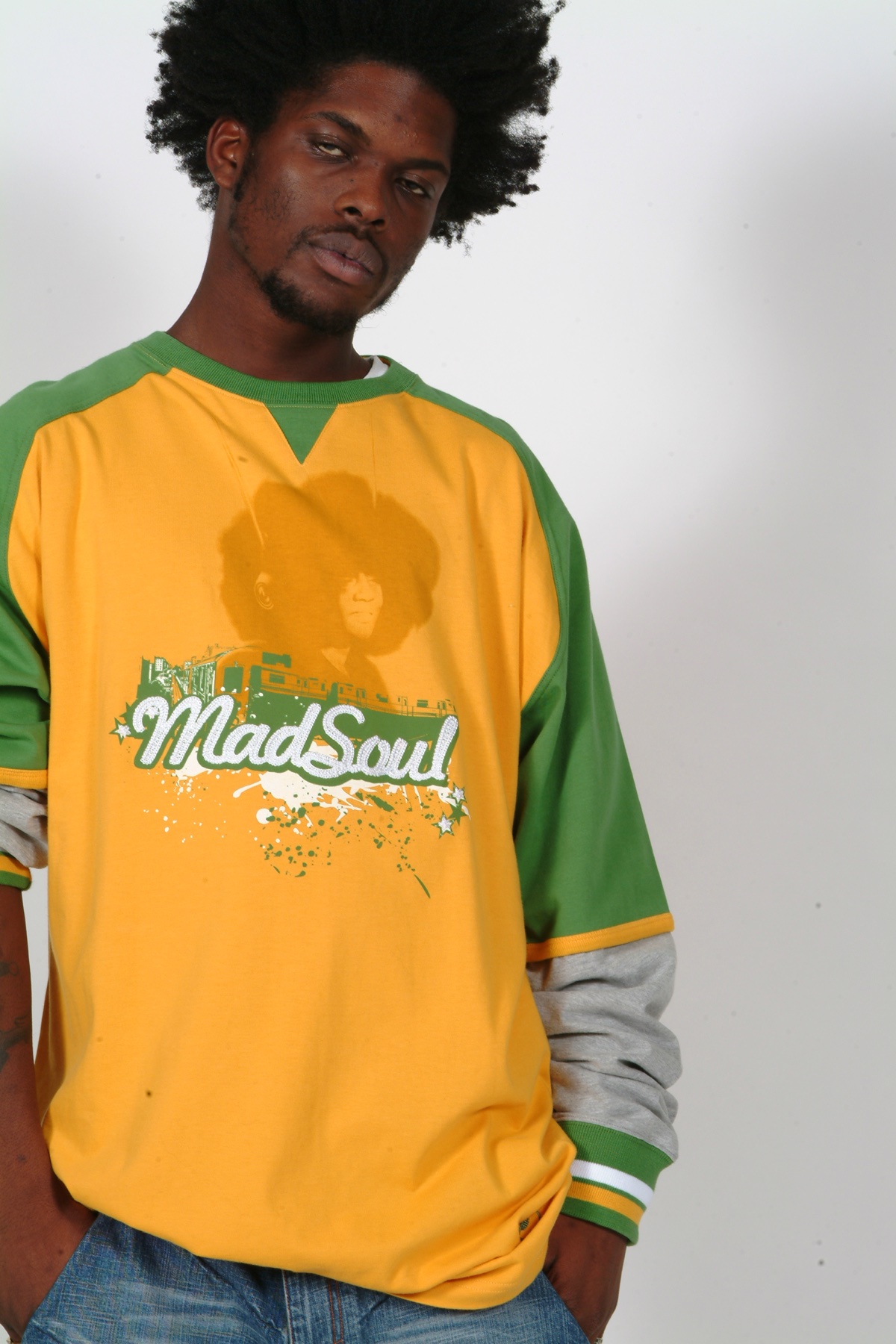
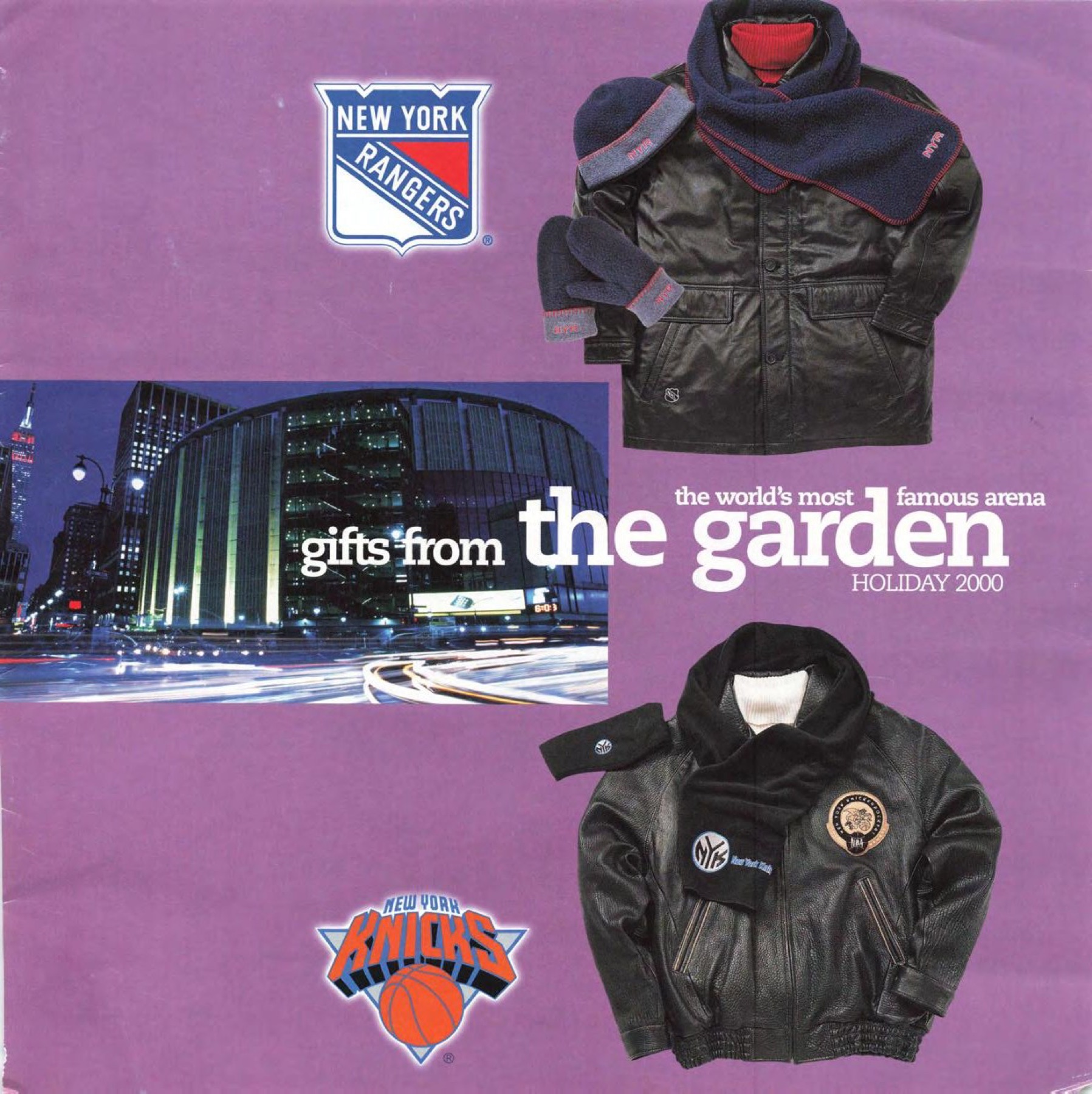
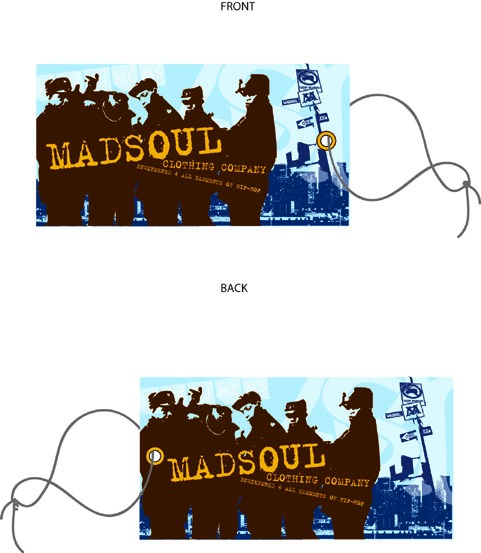
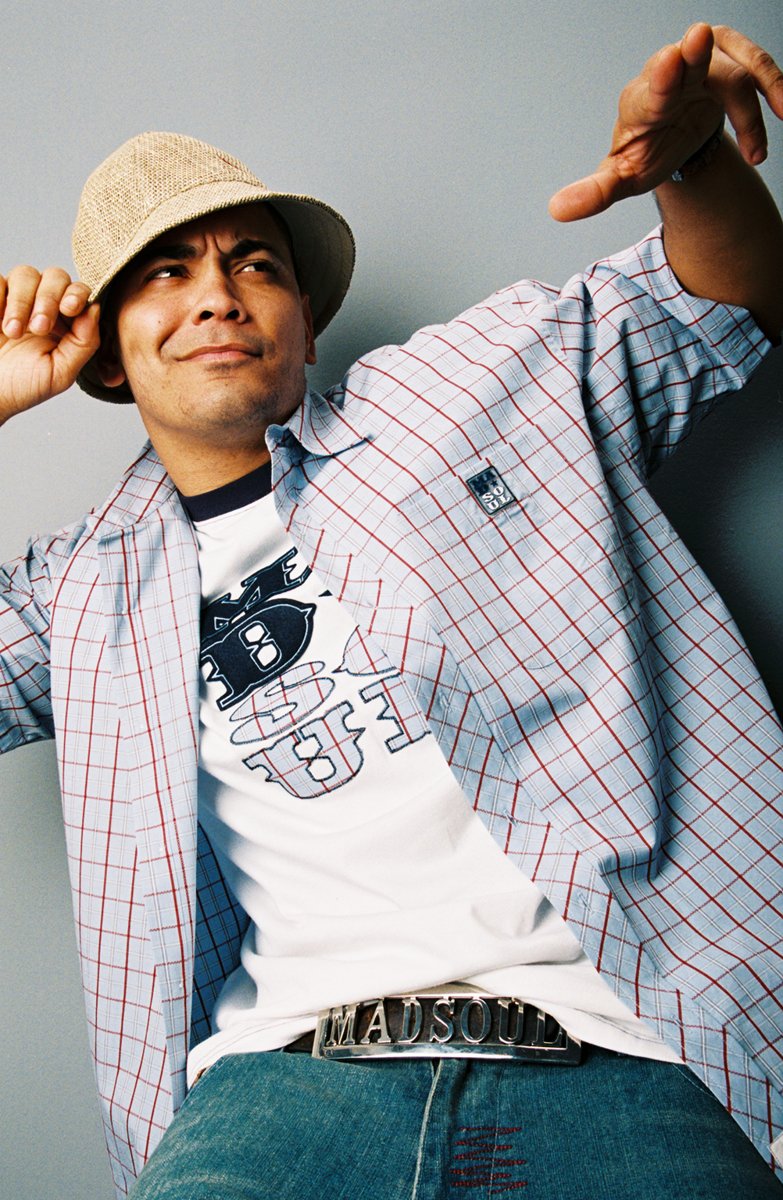
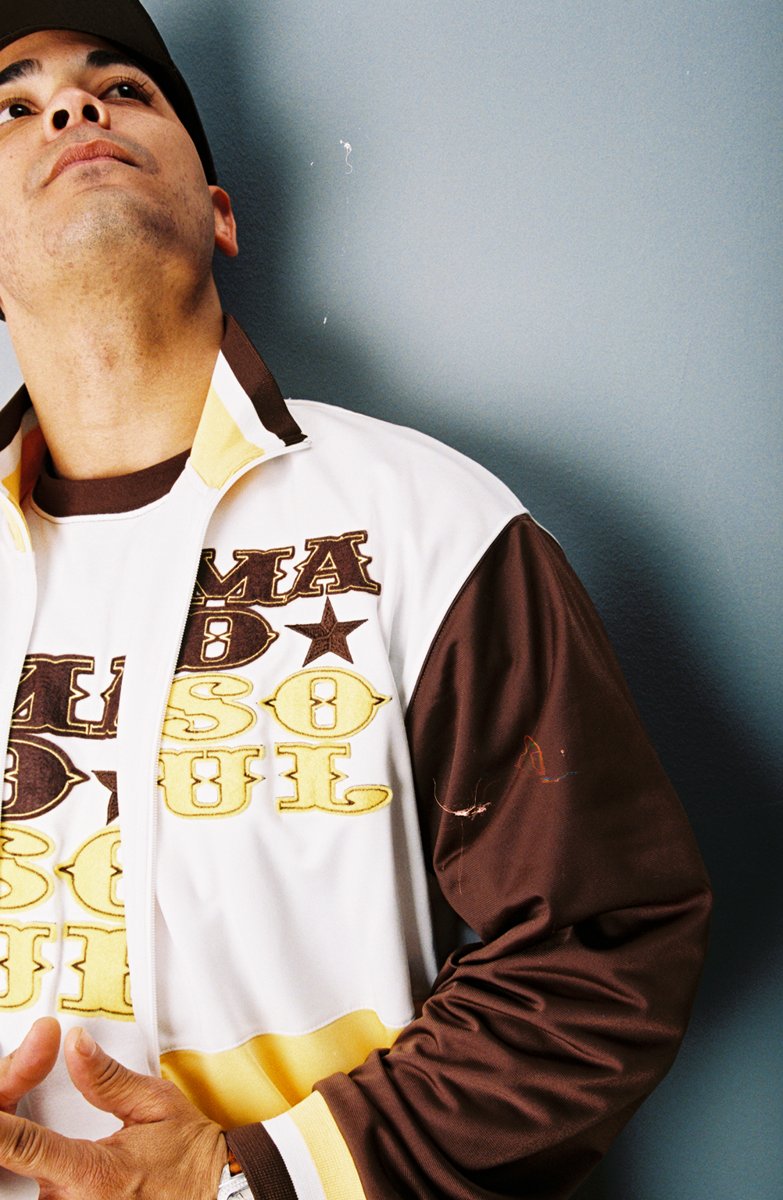
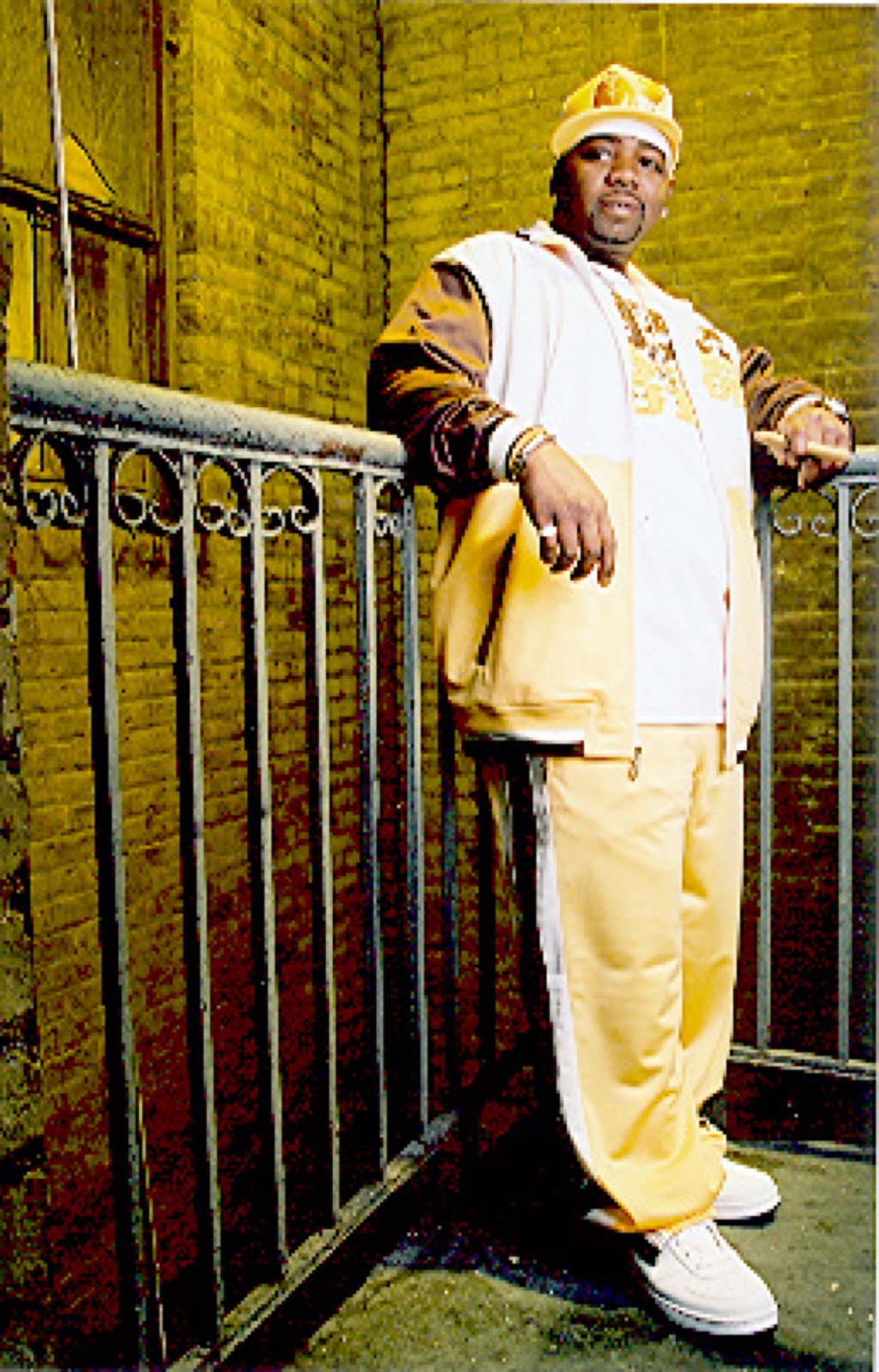
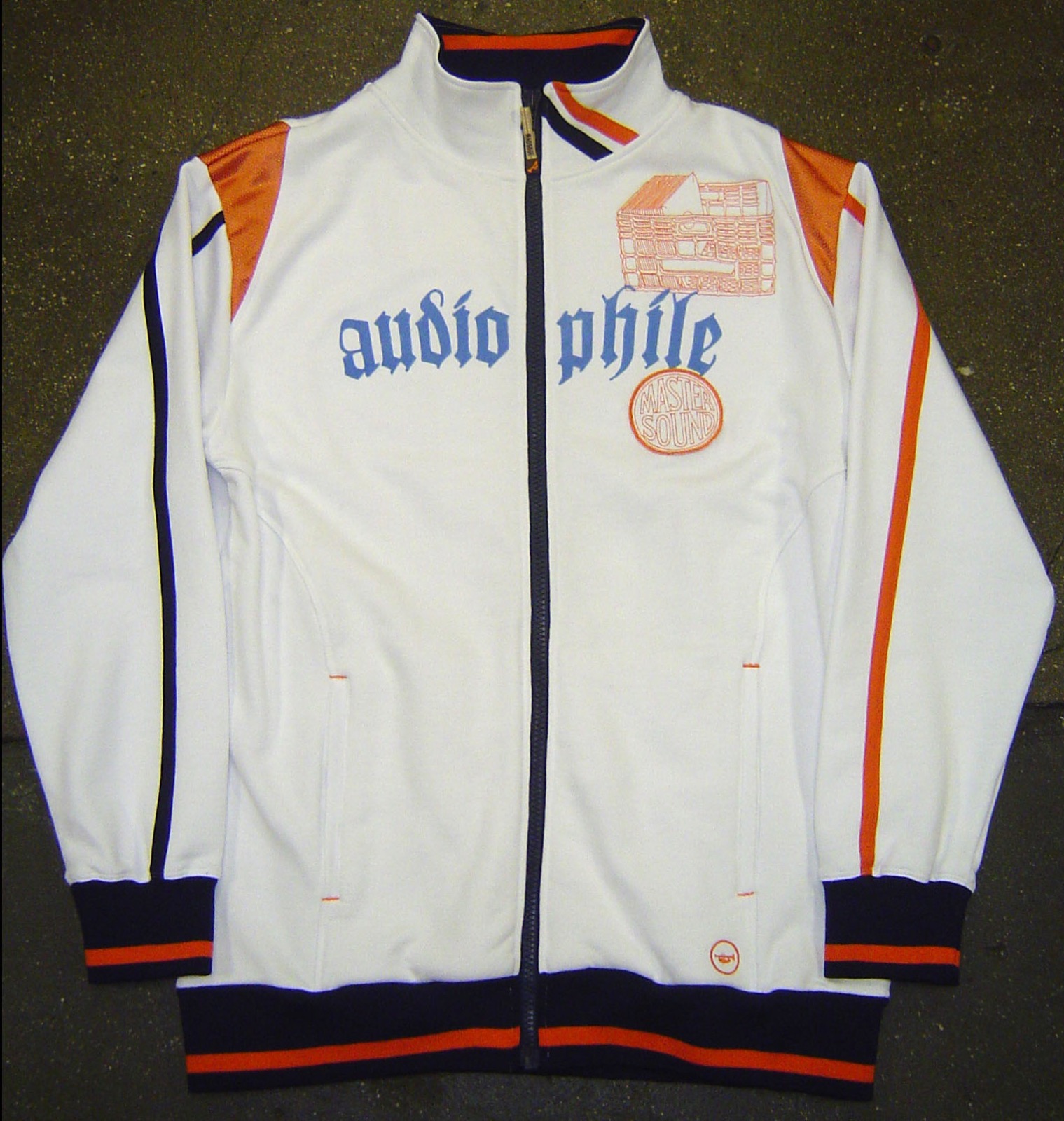
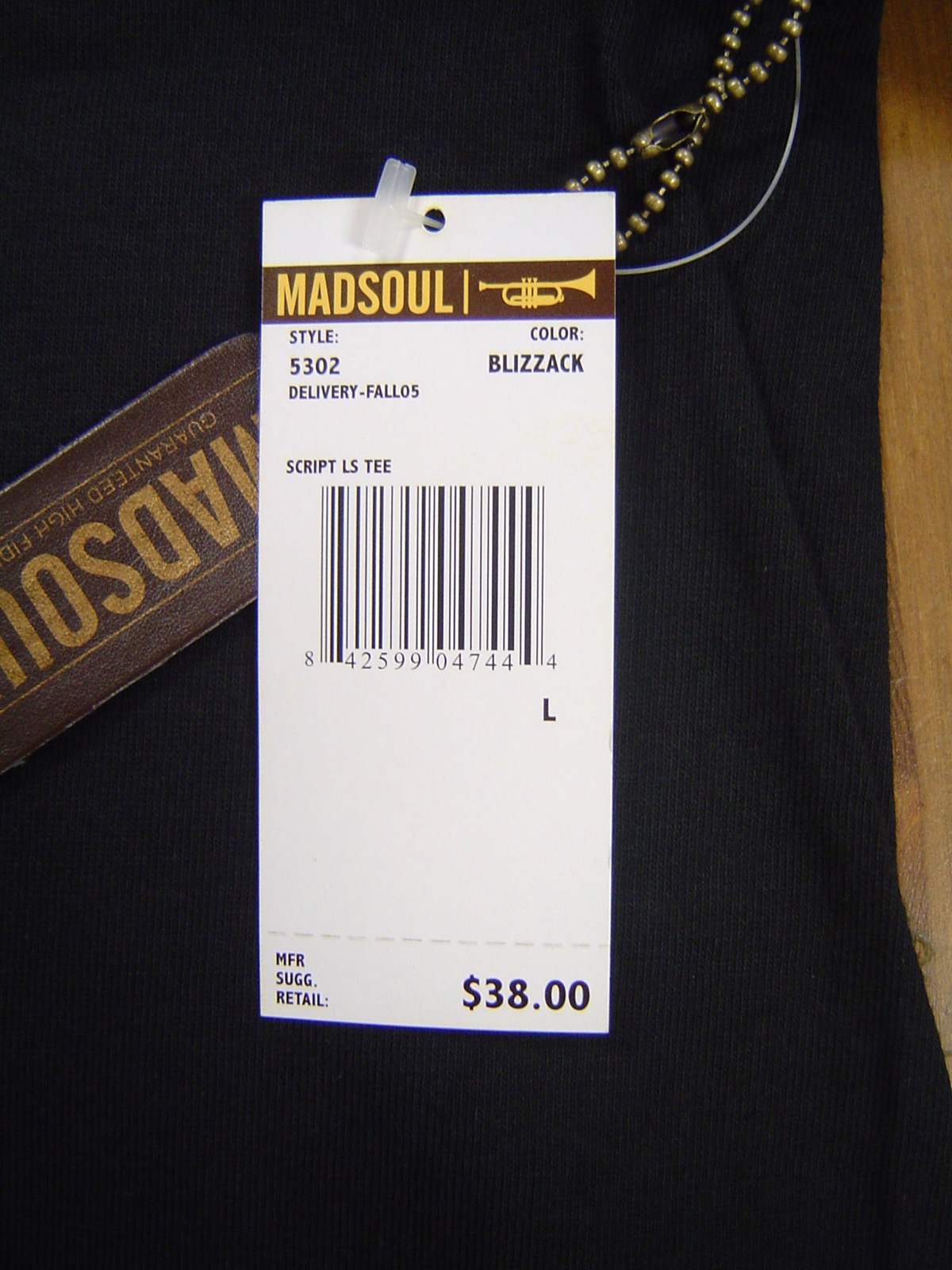
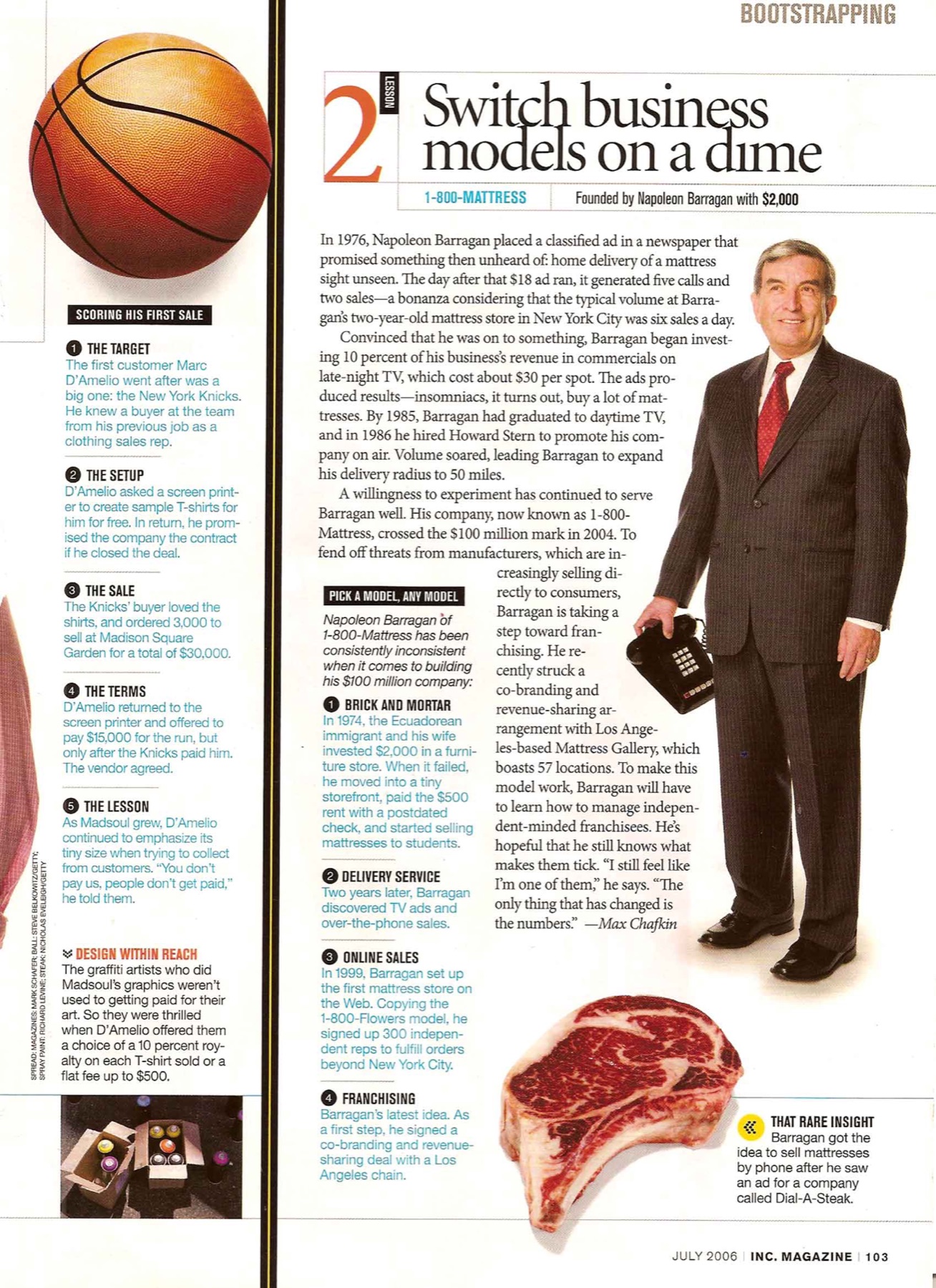
Marc D’Amelio started Madsoul with $1,000. The first customer he went after was a big one: the New York Knicks, a buyer he knew from a previous job as a clothing sales rep. He asked a screen printer to make sample tees for free, promising the contract if the deal closed. It closed: the Knicks bought 3,000 shirts to sell at Madison Square Garden, for $30,000. Only after the Knicks paid Madsoul did Marc pay the screen printer, $15,000 for the run, the vendor agreed to wait. Inc. Magazine ran the whole story in its July 2006 “Bootstrapping” feature, using it as a lesson in scoring a first sale on nothing.
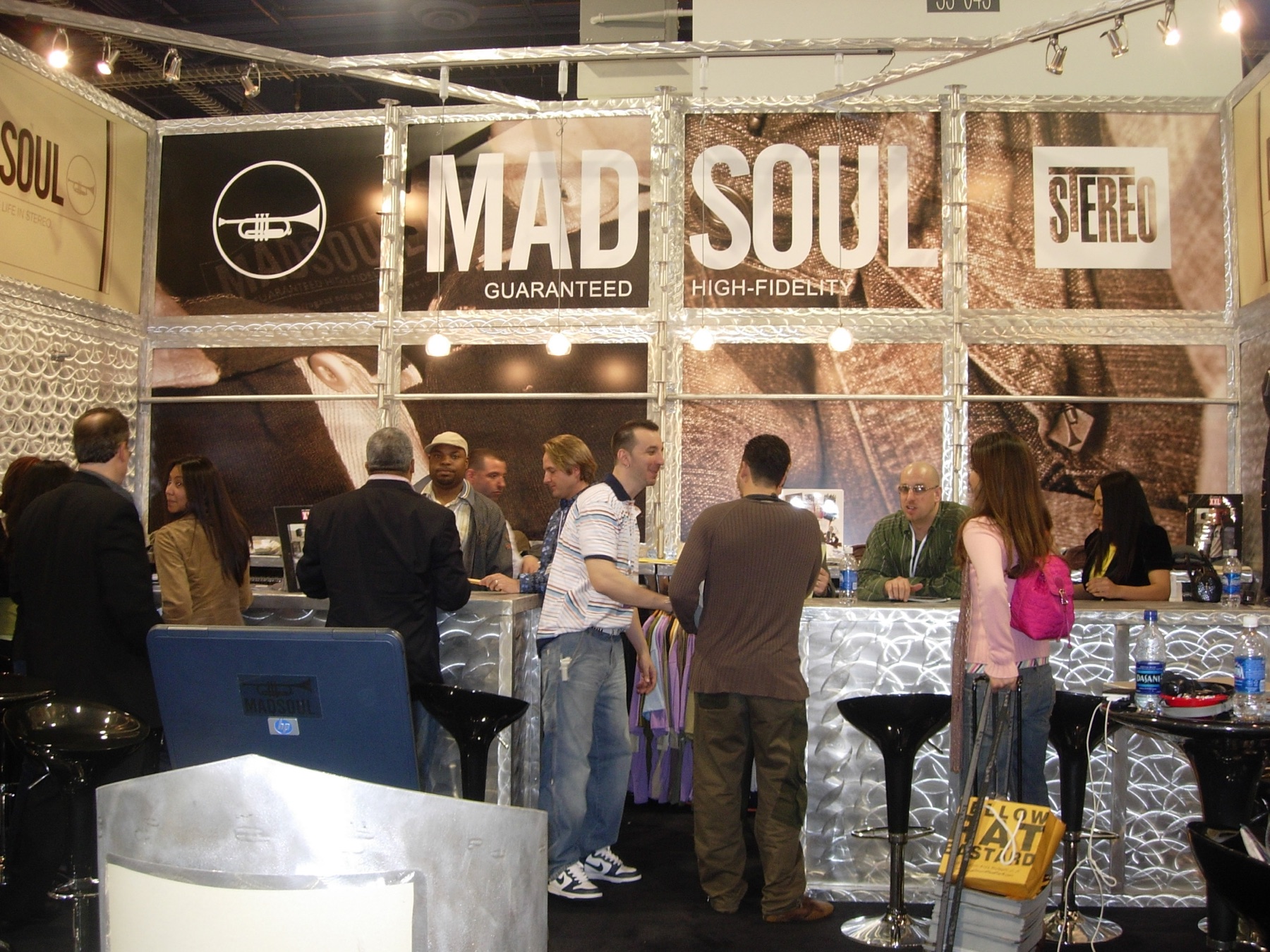
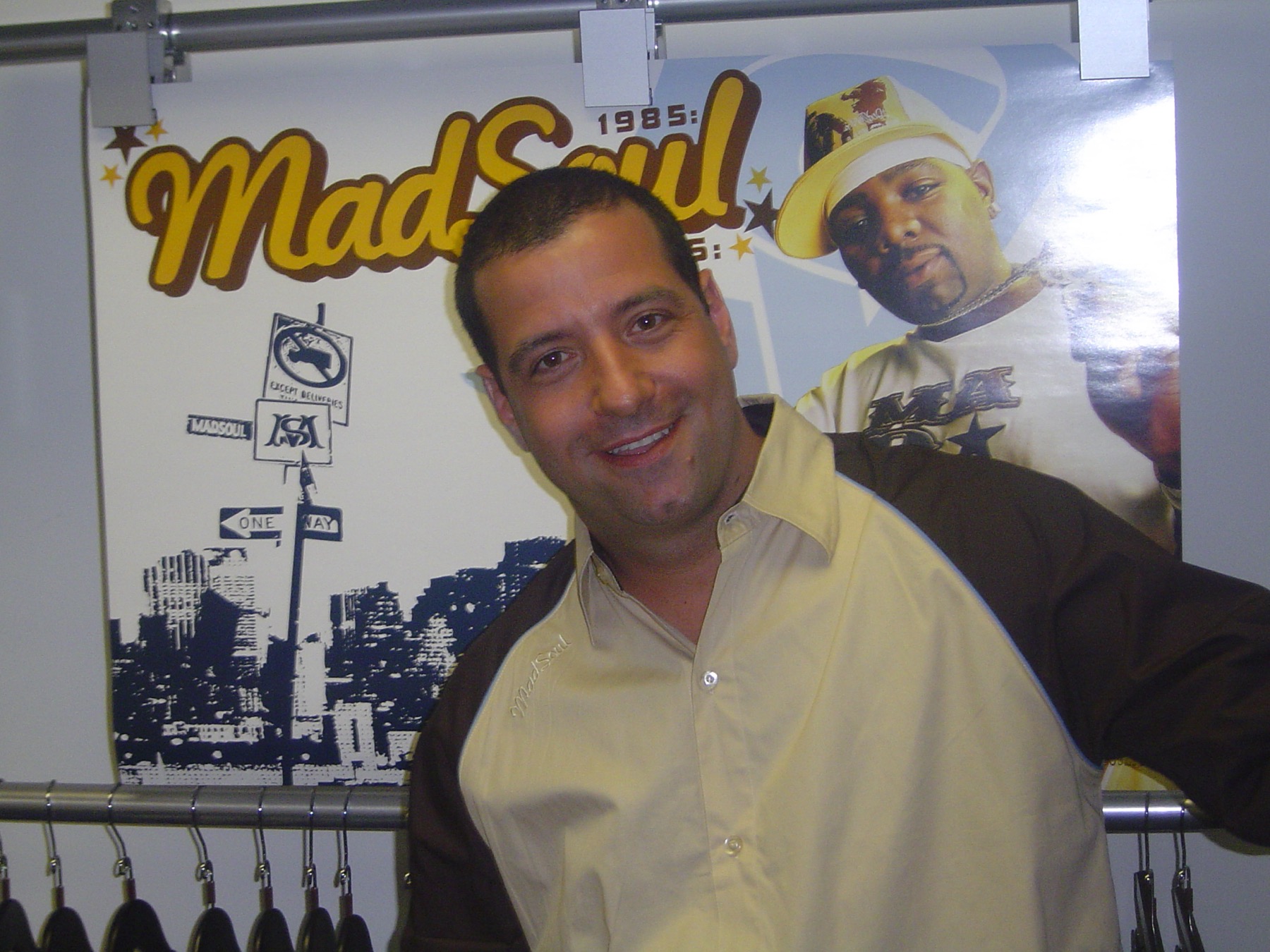
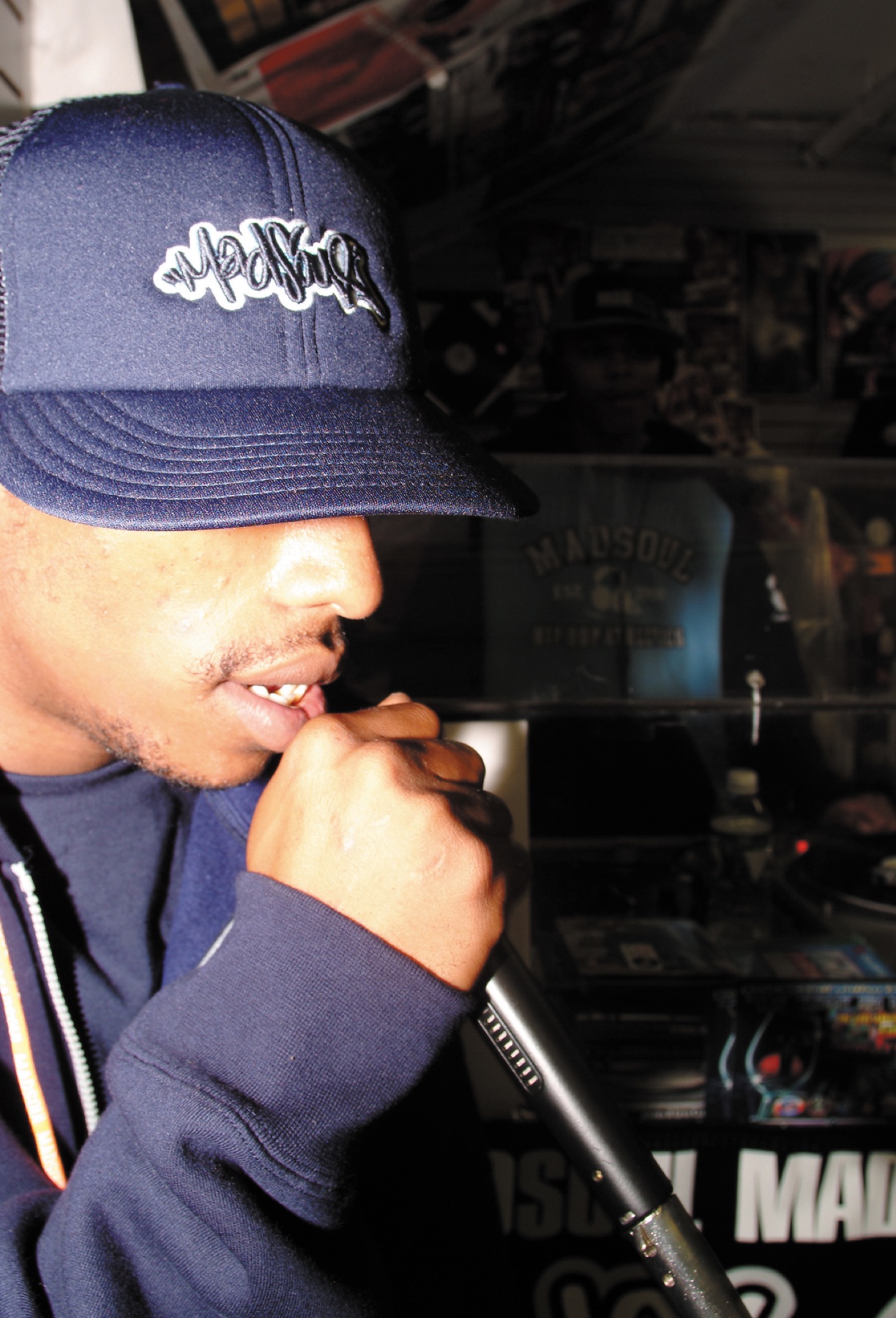
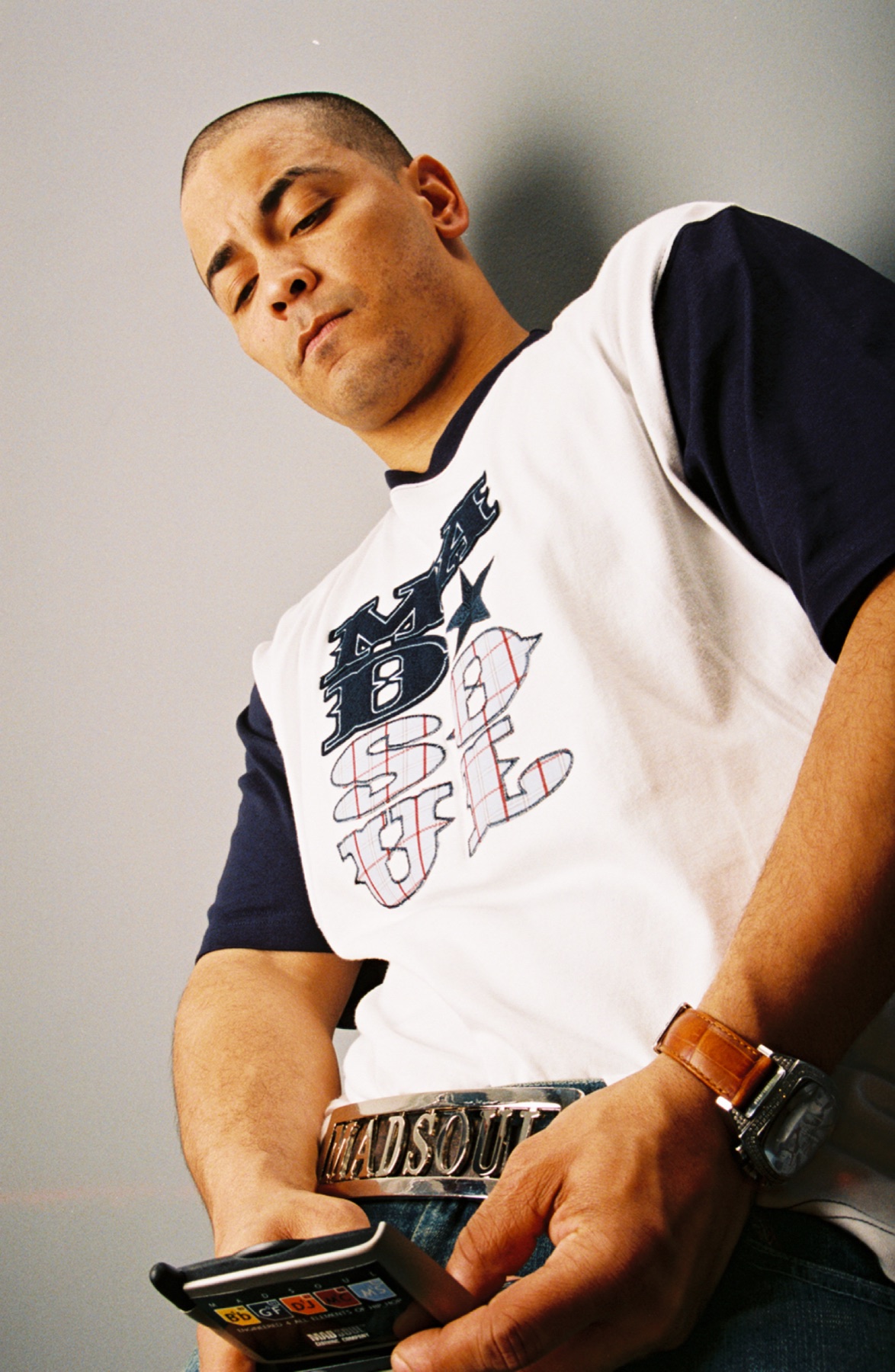
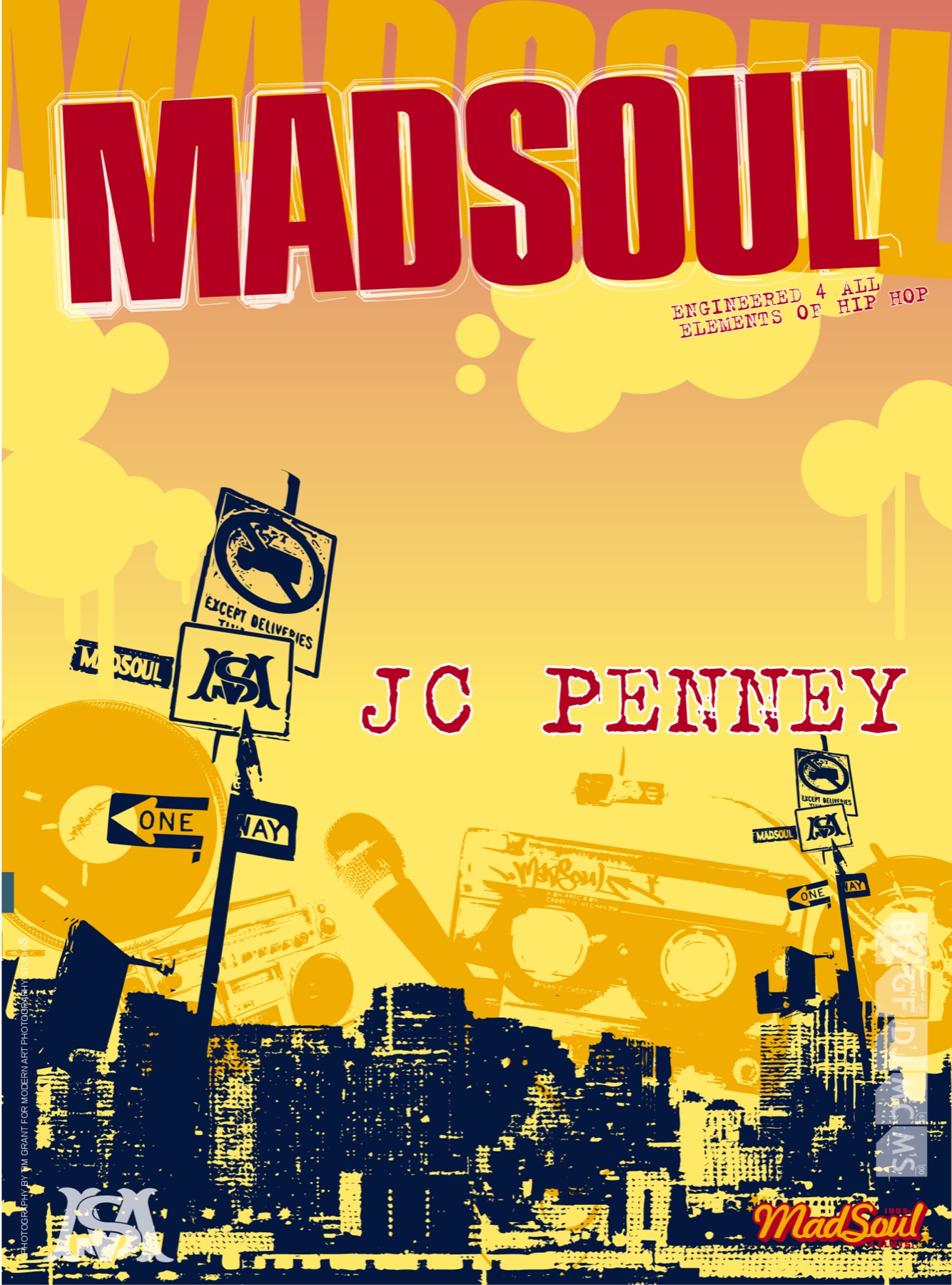
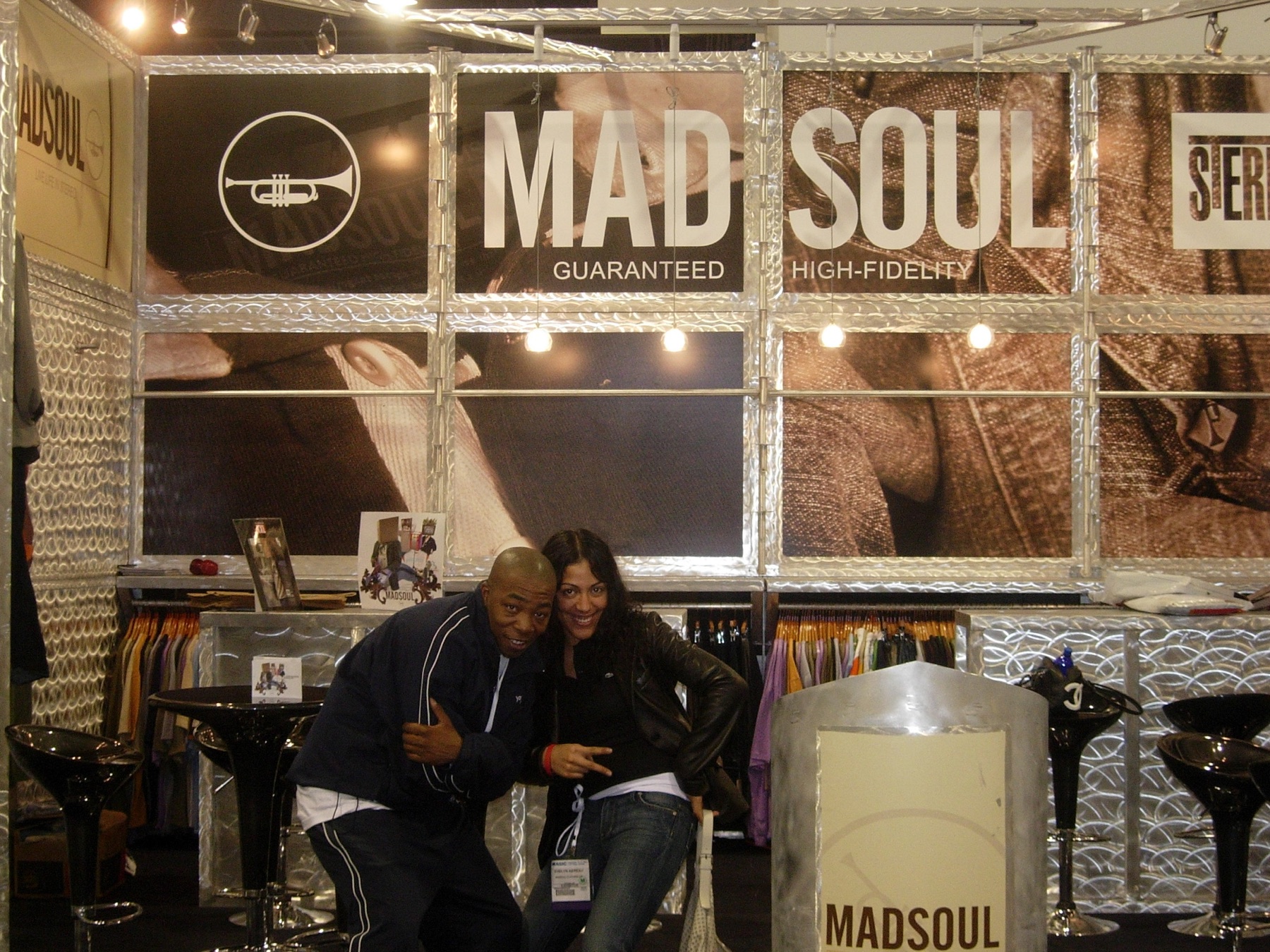
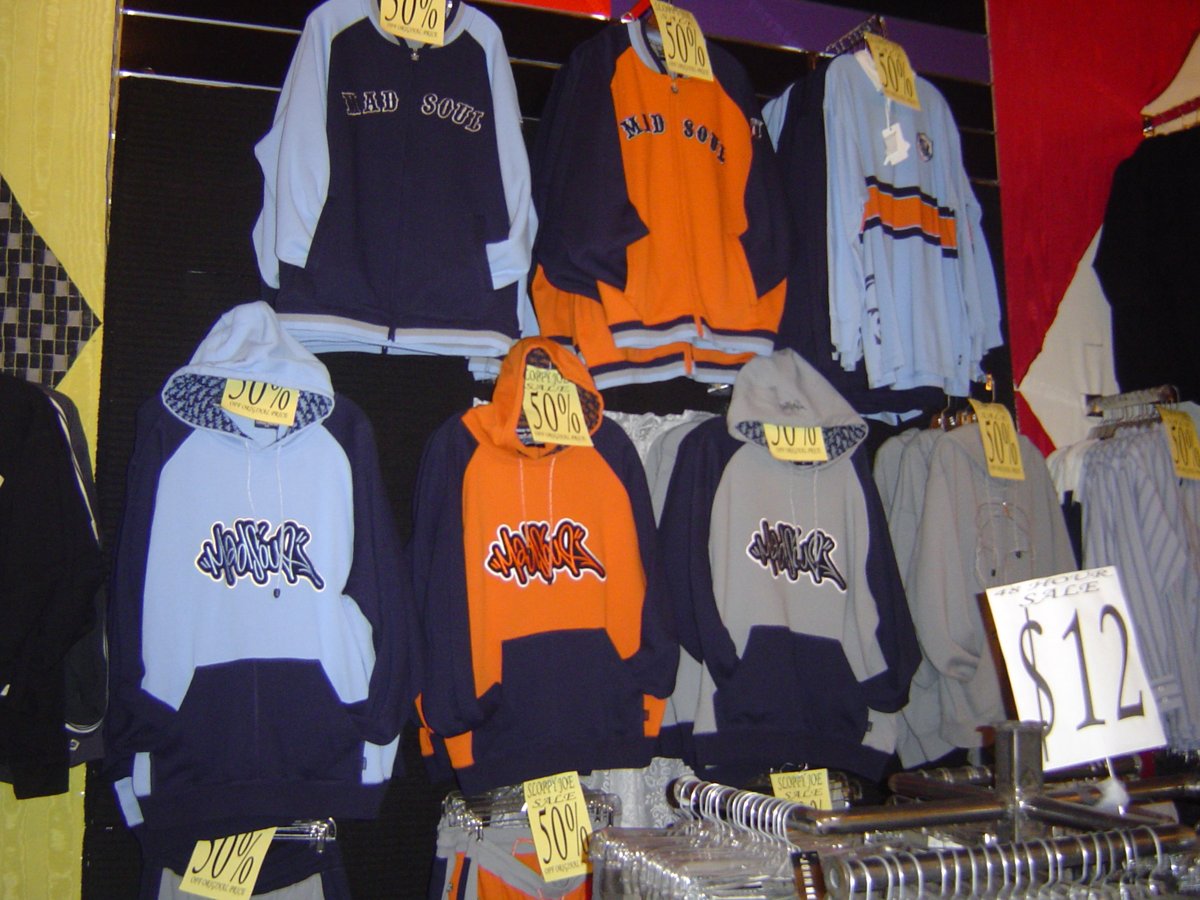
What followed was a real trade-show presence. Madsoul took a booth at MAGIC, the industry’s giant Las Vegas apparel show, branded “Mad Soul, Guaranteed High-Fidelity, Stereo,” and worked it like any established label, real buyers at the counter, racks of product, a hired staff. Retail followed: Dr. Jay’s, the New York streetwear institution, carried Madsoul with its own in-store signage; JCPenney, a national account, got a full sales presentation built around the brand’s four-elements identity.
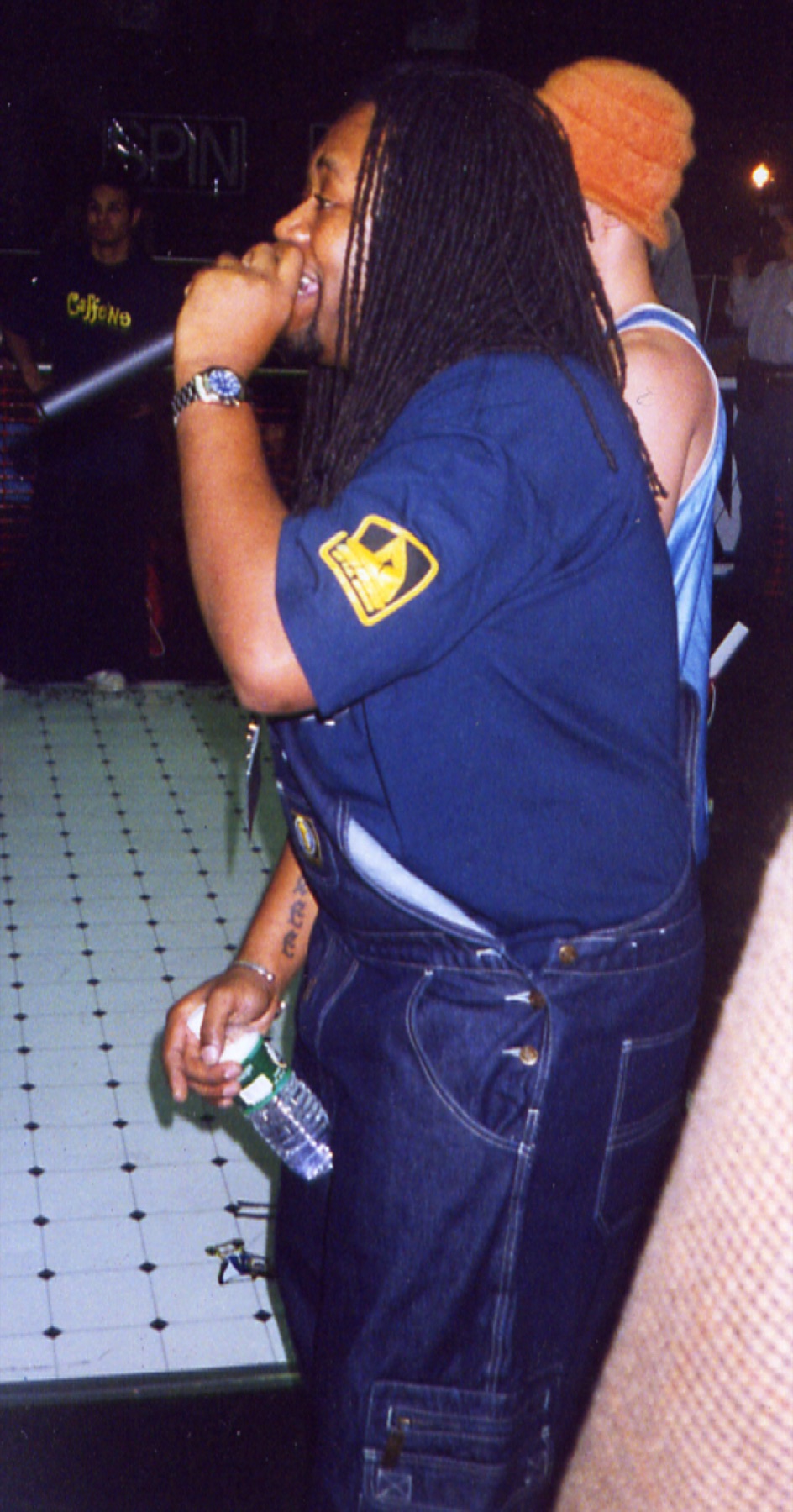
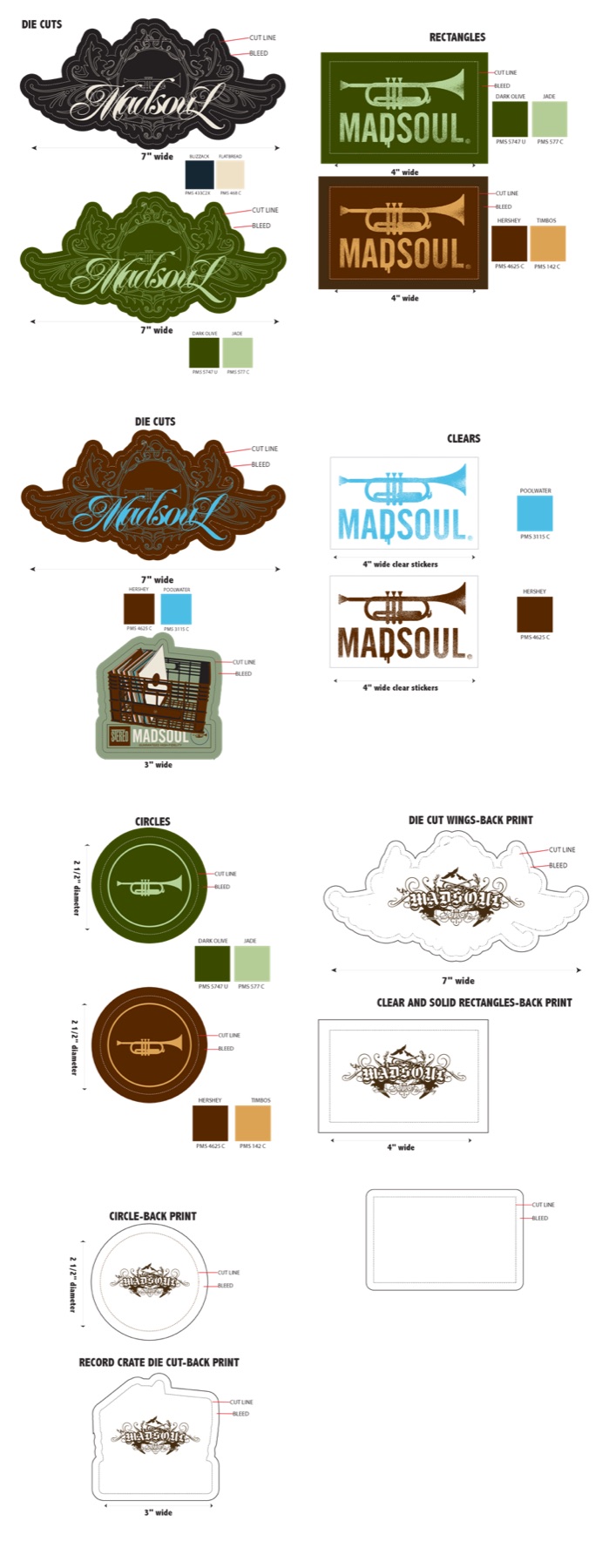
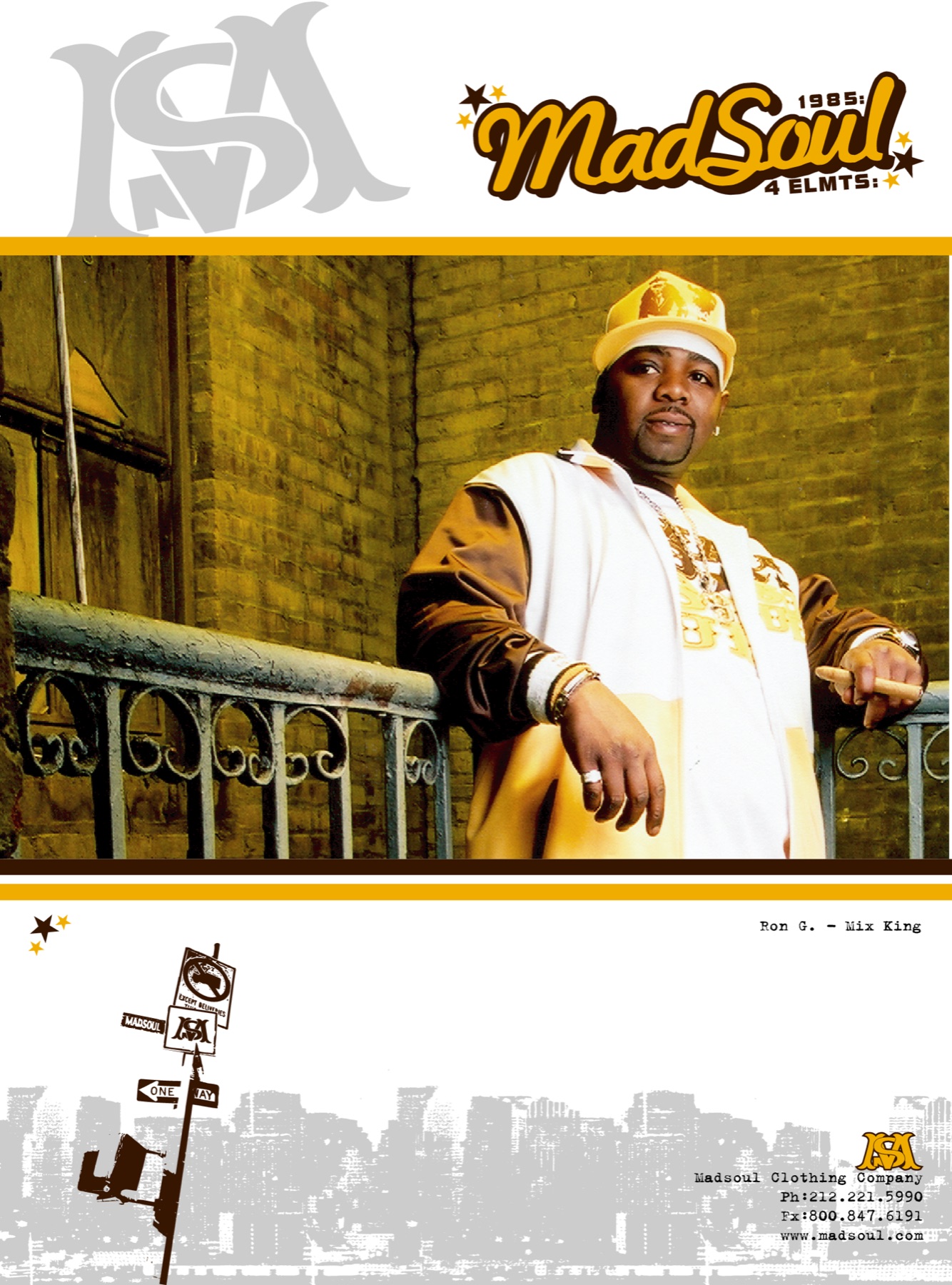
The marketing stayed guerrilla even as the business scaled. Marc signed up for a UPS shipping account for an unlimited supply of blank labels, bought a cheap printer for the ink, and ran off thousands of Madsoul stickers to paper concerts and art festivals around New York City. He also paid working mixtape DJs about a dollar a tape to drop a Madsoul shoutout between songs, the same guerrilla instincts Inc. Magazine highlighted in its 2006 feature. Print ads ran not just in XXL, Vibe, The Source, and Complex, but in the mixtape and DJ-culture zines mainstream fashion brands skipped entirely: Scratch, Mixtape Magazine, Don Diva, The Ave, Get ‘Em Mag. One XXL campaign put Ron G., a working mix-tape DJ known as the “Mix King,” on a full page in a Madsoul hoodie.
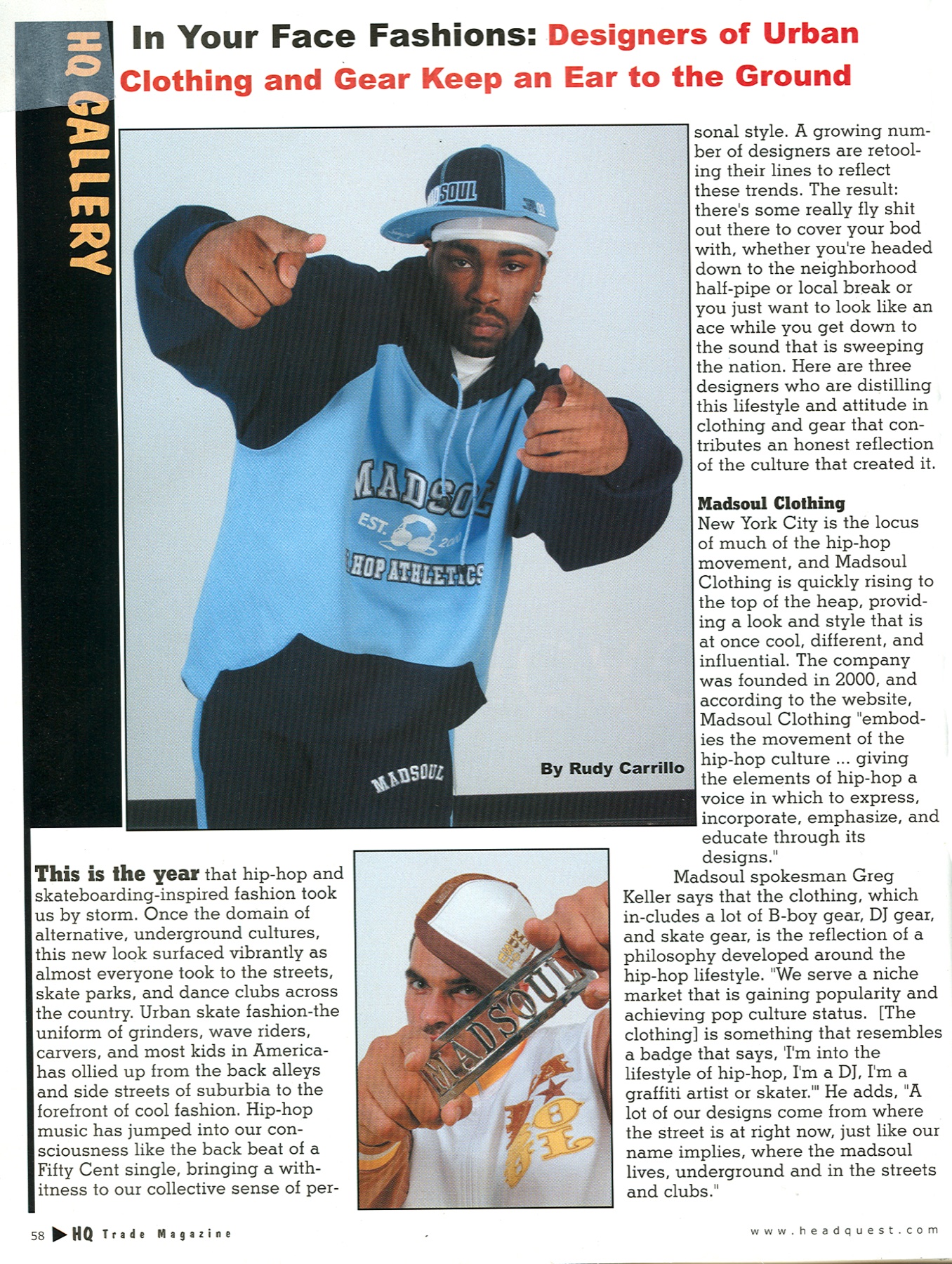
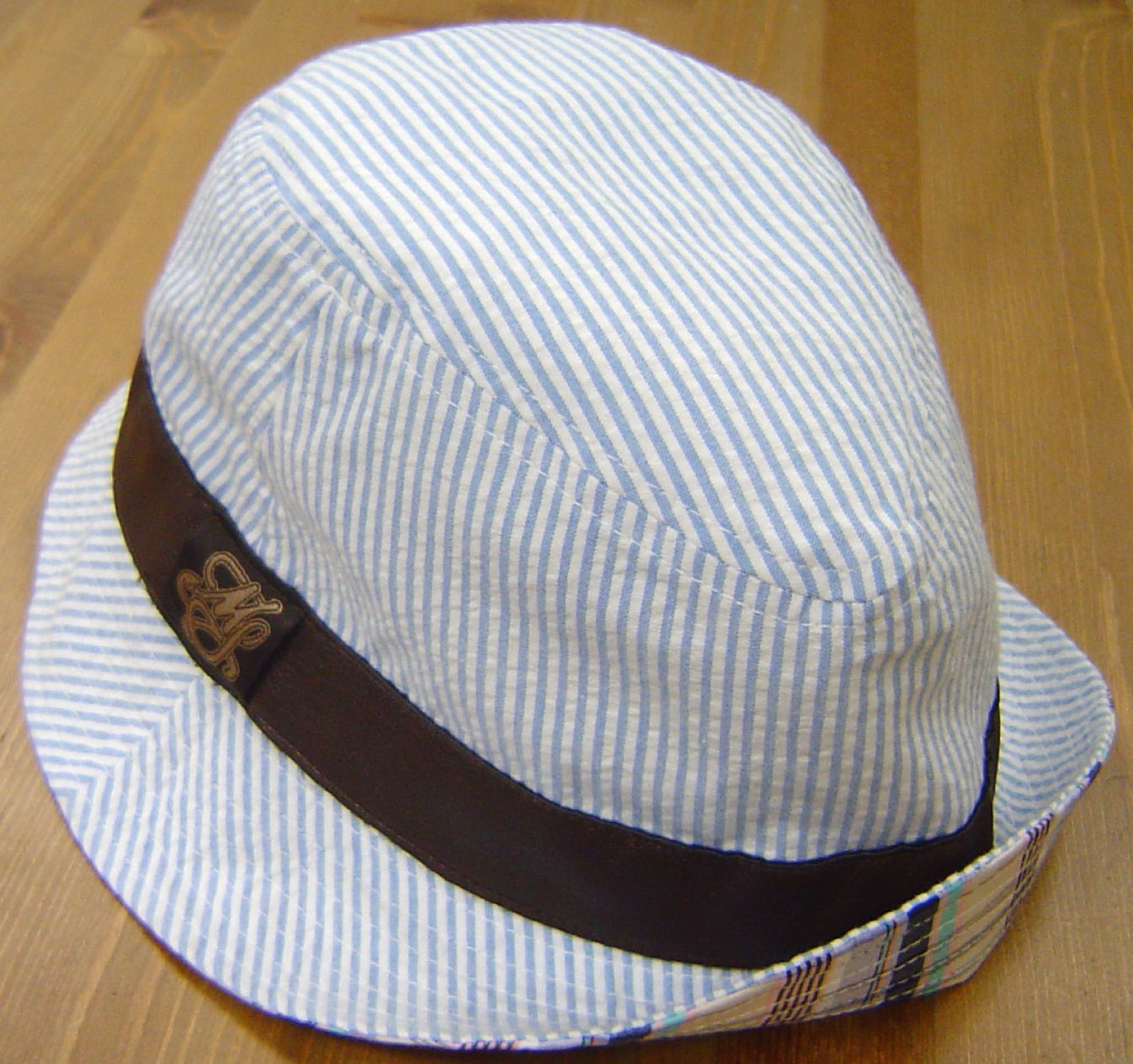
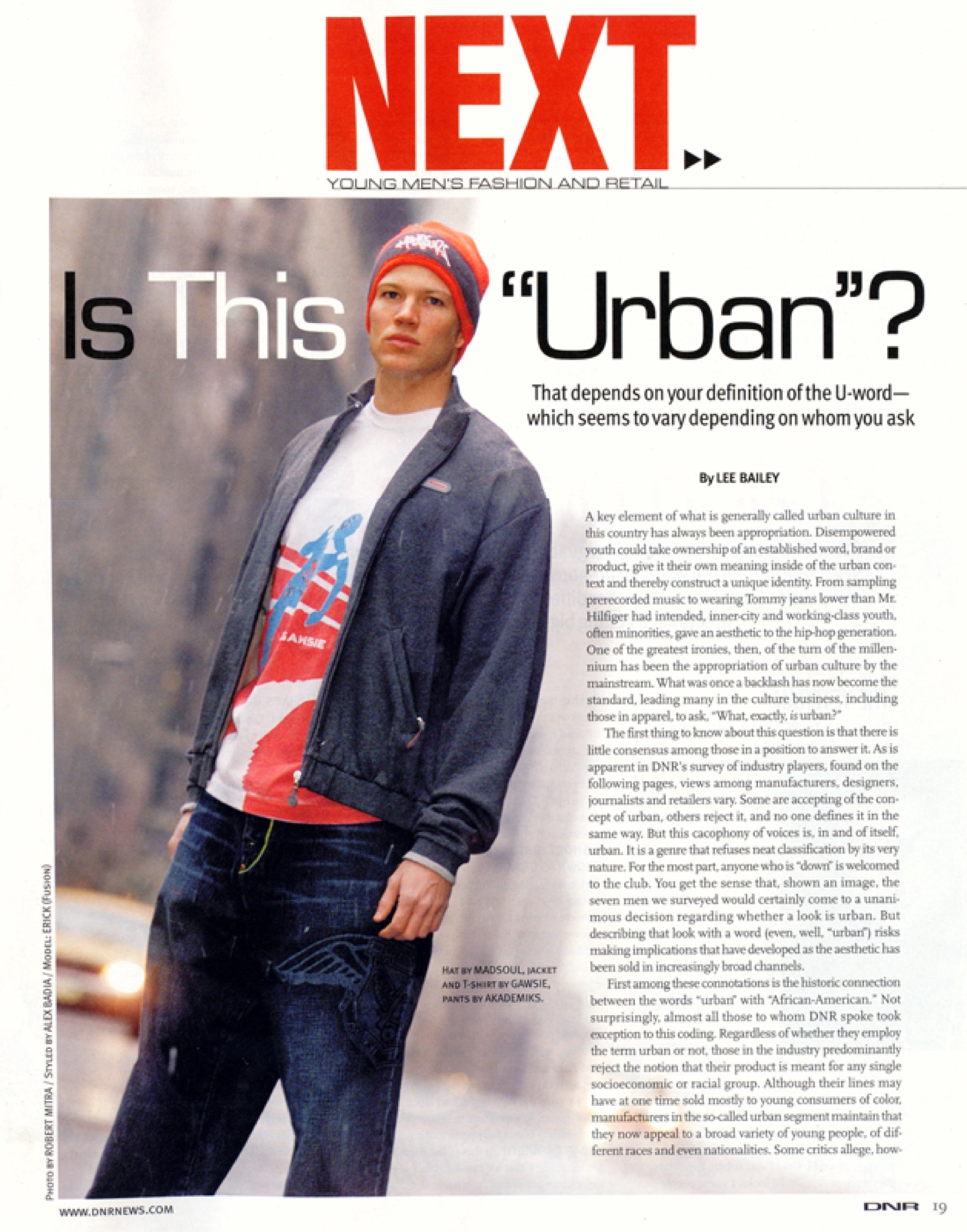
DNR, the menswear trade paper, credited a Madsoul hat directly on an editorial styling page in January 2003: “Hat by Madsoul, jacket and t-shirt by Gawsie, pants by Akademiks,” a real byline credit alongside two other real labels of the era. HQ Trade Magazine went further later that year, quoting Greg Keller at length on the brand’s positioning as “New York City is the locus of much of the hip-hop movement, and Madsoul Clothing is quickly rising to the top of the heap.”
HQ Trade Magazine, November 2003. “In Your Face Fashions.”